


Treatment of COVID-19 with casirivimab/indevimab in a patient with cervical spine injury: A case report
- University Clinical Center of Serbia, COVID Hospital Batajnica, Belgrade, Serbia
- University Clinical Center of Serbia, Centre for Physical Medicine and Rehabilitation, Belgrade, Serbia
- Institute for Orthopedic Surgery “Banjica”, Belgrade, Serbia
- University of Belgrade, Faculty of Medicine, Belgrade, Serbia
- University Clinical Center of Serbia, Centre for Anesthesiology and Reanimation, Belgrade, Serbia
- University Clinical Center of Serbia, Clinic for Pulmonology, Belgrade, Serbia
ABSTRACT
Introduction/Aim: We present a patient suffering from COVID-19 with a cervical spine injury who was treated with the antiviral drug casirivimab/indevimab (Regen-CoV), monoclonal antibodies for COVID-19, during hospital treatment at the Batajnica Hospital of the University Clinical Center of Serbia.
Case report: The administration of the drug casirivimab/indevimab (Regen-CoV) prevented the development of a more severe picture of Covid-19 and led to the rapid negativization of the nasopharyngeal swab for SARS-CoV-2 in our patient who had a cervical spine injury. The patient underwent successful cervical spine surgery at the Institute for Orthopedic-Surgical Diseases in Banjica, which led to the recovery of the neurological deficits he had previously.
Conclusion: We showed another significant indication for using casirivimab/ indevimab (Regen-CoV) in hospital conditions, which was off-label according to therapeutic protocols.
INTRODUCTION
During the COVID-19 pandemic, the global scientific community worked intensively to find innovative therapeutic approaches that would effectively aid in the fight against SARS-CoV-2. One of them is the drug Regen-CoV®, a combination of monoclonal antibodies (casirivimab (REGN10933) / indevimab (REGN10987)), which has proven effective in reducing the viral load in the body, consequently resulting in a milder clinical presentation, a decreased need for hospitalization, and lower mortality rates [1].
According to the recommendations of the U.S. Food and Drug Administration (FDA), casirivimab/indevimab (Regen-CoV®) is intended exclusively for use in outpatients with mild COVID-19 who do not require hospitalization or inpatient treatment [2]. The use of this drug is not advised for hospitalized patients or those requiring oxygen therapy [2], as its administration in these cases may lead to a deterioration in clinical status and a possible fatal outcome.
During the treatment of patients in the first wave of the COVID-19 pandemic in 2020, the hypothesis was proposed that patients who develop a hyperreactive immune response [3] consequently experience hypoxemia, necessitating hospitalization and oxygen therapy. This led to the initiation of immunomodulatory therapy in the treatment of SARS-CoV-2 infection, followed by scientific research that confirmed this hypothesis [4]. It has been proven that SARS-CoV-2 enters cells through the ACE2 receptor, to which the S protein on the viral surface binds [5]. Casirivimab/indevimab is a combination of two human monoclonal antibodies that bind to this S protein, exerting a strong inhibitory effect on the virus’s ability to attach to host cells, thereby neutralizing SARS-CoV-2 [6],[7]. Due to frequent mutations of the spike protein and the subsequent development of resistance to single-antibody therapy, combinations of antibodies have been introduced to prevent the emergence of new mutations and further viral resistance [8],[9].
In this paper, we present a case of a patient who received casirivimab/indevimab in a hospital setting to prevent further progression of COVID-19 and achieve rapid RT-PCR test negativization of the nasopharyngeal swab for SARS-CoV-2, enabling further treatment of the patient’s underlying condition. This case is noteworthy not only because the drug was used outside the existing official recommendations, which restricted its use to outpatient settings, but also due to the complexity of the case itself. It required a multidisciplinary treatment approach and the earliest possible hospital management, including surgical treatment outside the COVID-19 care system.
CASE REPORT
Our patient, a 23-year-old male, sustained injuries to two cervical vertebrae (C5 and C6) in a traffic accident five days before being admitted to the COVID Hospital Batajnica at the University Clinical Center of Serbia in Belgrade. Due to the nature of the injury, therapeutic protocols dictated strict immobilization of the cervical spine using a Schanz collar, as well as urgent surgical intervention at a specialized tertiary facility. Upon initial examination following the injury, the patient exhibited complete weakness in all four extremities. However, a few hours later, partial function returned to the right side of his body, followed by his left leg, while weakness in his left arm persisted. Radiological diagnostics, including MRI of the cervical spine, revealed spondylolisthesis at the C5-C6 level, grade II/III, left dorsolateral extrusion of the C5-C6 intervertebral disc, spinal canal stenosis with medullary compression and signs of myelopathy, as well as fractures of the left lamina of C5 and the left transverse process of C6 (Figure 1). A skull X-ray revealed a fracture of the medial roof of the right orbit. Abdominal ultrasound showed no signs of internal organ trauma, and radiographs of the chest, pelvis, and left shoulder were unremarkable.

The patient was initially treated at a regional healthcare center. At that time, his primary complaints included neck pain radiating down his left arm and spine, along with weakness in his left arm. On the fifth day of hospitalization, due to the facility’s inability to provide surgical treatment, he was transferred to the Institute for Orthopedic-Surgical Diseases Banjica in Belgrade, a specialized center for musculoskeletal conditions and injuries. Upon admission to this facility, a routine rapid antigen test for SARS-CoV-2 was performed on a nasopharyngeal swab, yielding a positive result. The spinal surgeon then indicated surgical treatment as soon as conditions permitted, specifically upon achieving a negative SARS-CoV-2 test. Meanwhile, the patient was advised to remain on strict bed rest and was transferred to the COVID Hospital Batajnica at the University Clinical Center of Serbia, the largest COVID hospital in Serbia, for COVID-19 management.
Upon initial examination at our institution, the patient was able to move his lower extremities but had significant weakness in his left arm, mild weakness in his left leg, and intense neck pain radiating along the spine and left arm. The remaining somatic examination findings were unremarkable, and his vital parameters were stable. His medical history was negative for chronic diseases, previous surgeries, or any long-term medication use.
During hospitalization, the patient was assessed by an orthopedic surgeon, a neurosurgeon, and a neurologist. MDCT angiography of the head and neck was performed, yielding normal results. A subsequent CT scan of the head and neck confirmed findings consistent with the previous imaging at the C5-C6 level, with no additional abnormalities. Neurological examination consistently revealed moderate left-arm monoparesis.
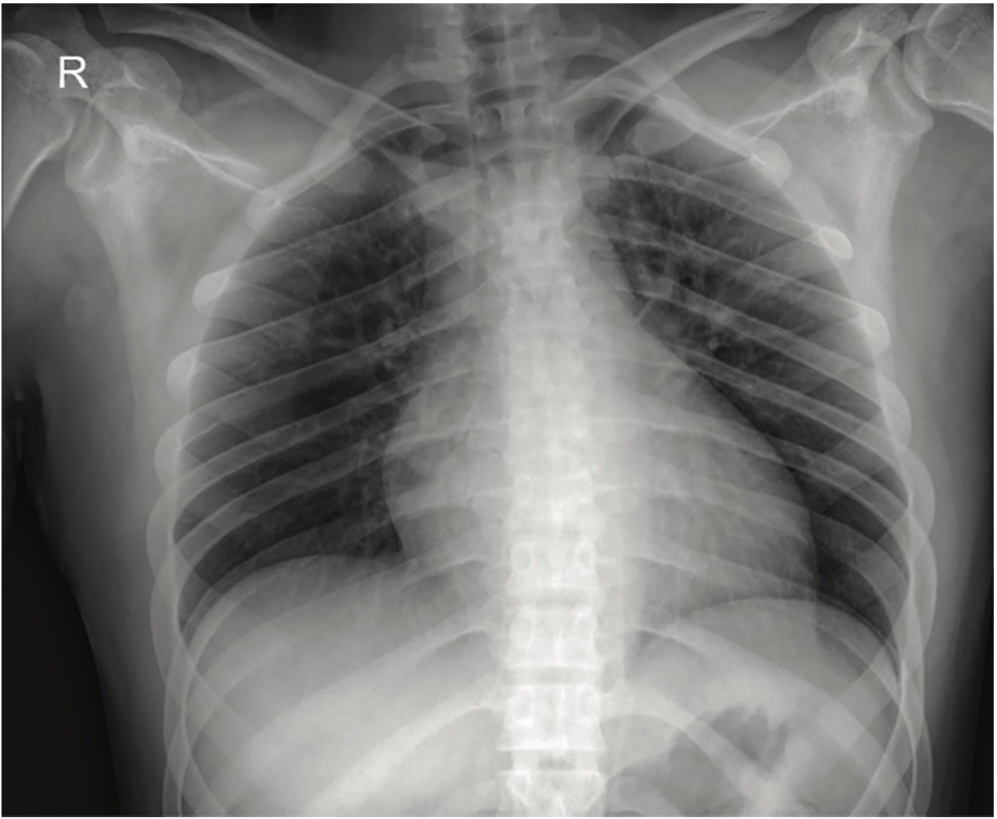
Upon admission to the COVID Hospital Batajnica, the patient had a mild clinical presentation of COVID-19, a normal chest X-ray (Figure 2), and unremarkable blood test results (Tables 1 and 2). He was respiratory and hemodynamically stable, with normal pulmonary auscultation. A multidisciplinary team decided to administer a single intravenous dose of casirivimab/indevimab in a hospital setting, in isolation from other patients. The rationale for this decision was to prevent disease progression, which could compromise the patient’s overall condition and lead to complications related to his primary injury. Additionally, this therapy was expected to accelerate the negativization of the SARS-CoV-2 test, thereby facilitating the urgent surgical intervention required.
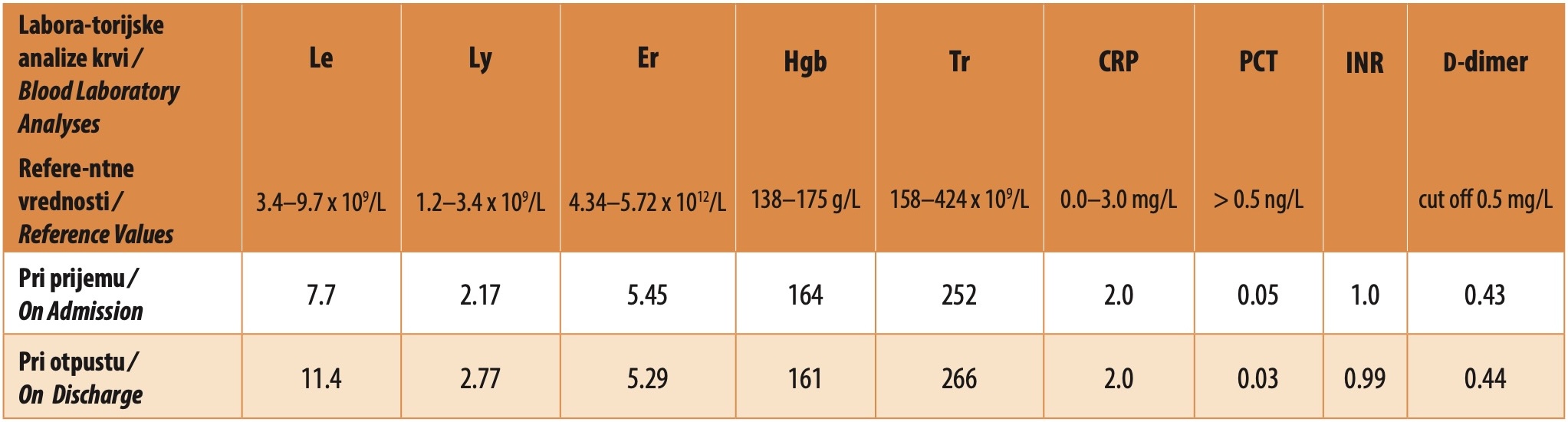
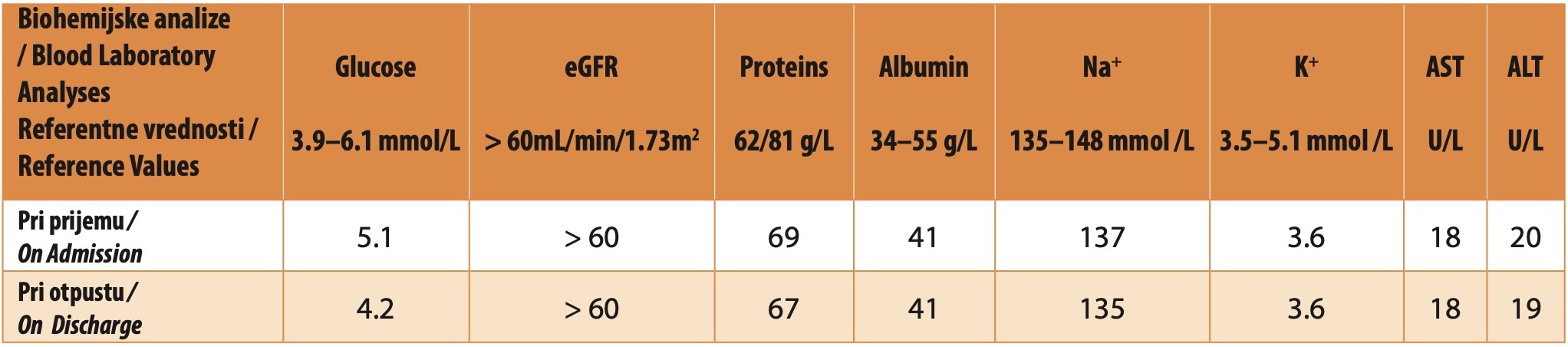
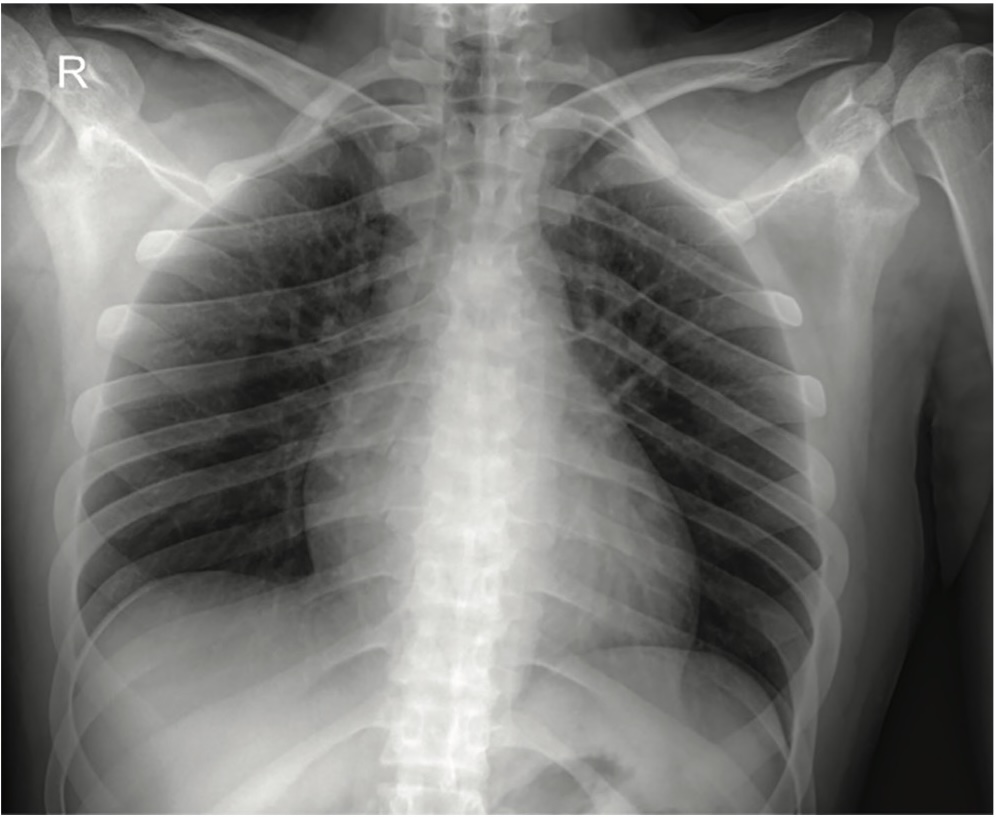
Seven days after receiving casirivimab/indevimab, the patient underwent RT-PCR testing for SARS-CoV-2 via a nasopharyngeal swab, which returned a negative result. At this point, he was in stable condition, free of COVID-19 symptoms, with a normal chest X-ray (Figure 3) and unremarkable blood test results (Tables 1 and 2). He was subsequently transferred back to the Institute for Orthopedic-Surgical Diseases Banjica in Belgrade for the necessary surgical treatment.
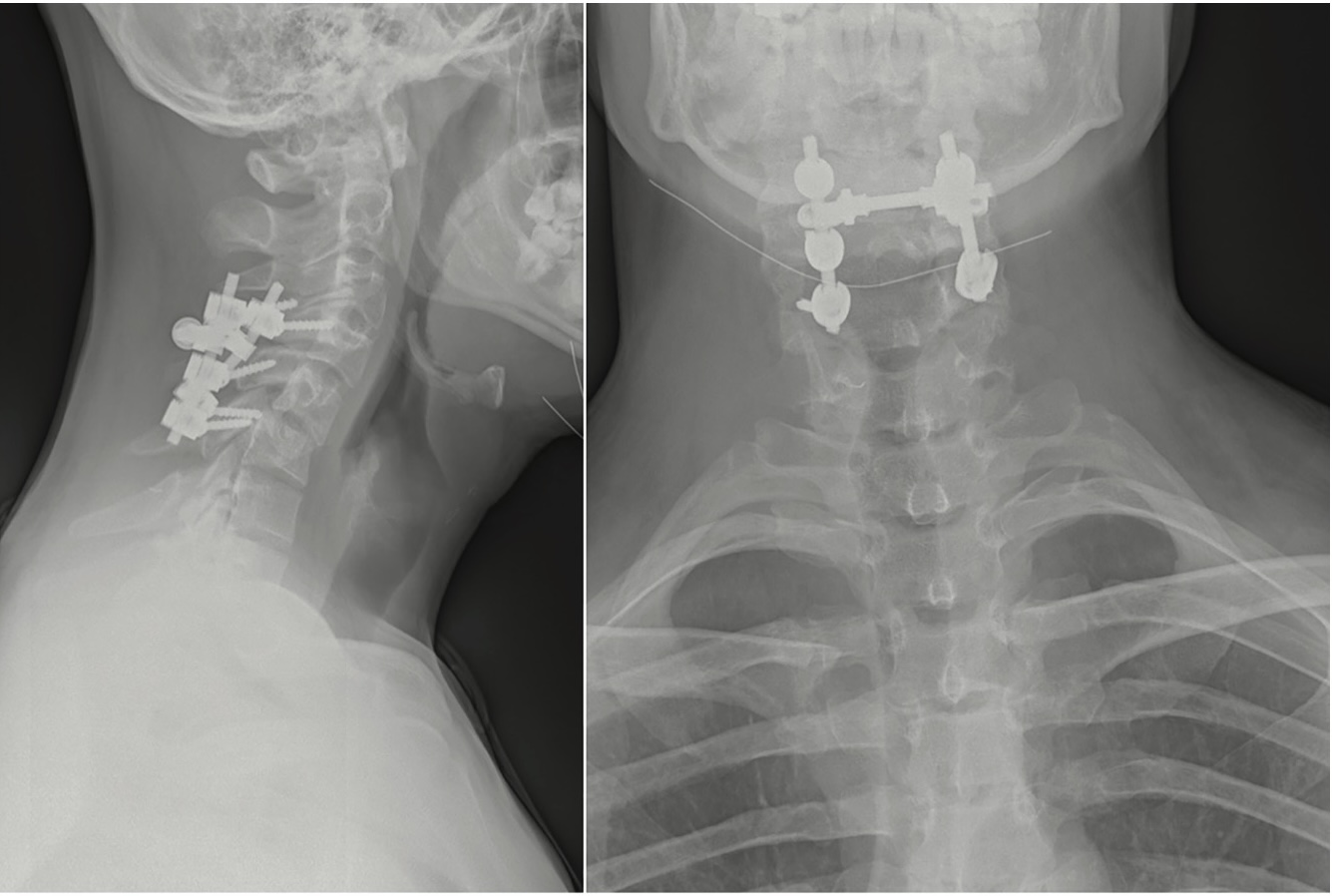
The patient underwent surgery 18 days after the initial injury, during which C5 vertebral repositioning and internal spinal stabilization of C4–C6 were performed (Figures 4 and 5). Postoperatively, he exhibited further neurological improvement. At a follow-up examination four months later, he had a normal neurological status in all extremities. Repeat RT-PCR testing for SARS-CoV-2 one month after casirivimab/indevimab administration remained negative, and he showed no clinical signs of COVID-19
DISCUSSION
The treatment of COVID-19 has been a major challenge for healthcare systems worldwide since the beginning of the pandemic. In an effort to help patients as safely and quickly as possible, various therapeutic approaches have been implemented in practice. The use of immunomodulatory antiviral therapy appeared to be an extremely beneficial option for treating mild COVID-19 cases in outpatients at risk of developing severe disease. However, due to the exceptional efficacy of casirivimab/imdevimab, initially intended for outpatient use in patients with mild disease, the first attempts at hospital treatment with this drug began, yielding positive results [10]. Based on these findings, official recommendations for the administration of casirivimab/ imdevimab in hospitalized patients were published in November 2021 [11].
The indications for monoclonal antibody antiviral therapy include ambulatory patients with +mild to moderate COVID-19 who are at high risk of progression, hospitalization, or fatal outcome.
Monoclonal antibodies are administered as a single dose, followed by patient isolation to prevent reinfection. This therapy can also be used in hospitalized patients who meet the same risk criteria and who are asymptomatic or have mild to moderate disease but are hospitalized for reasons unrelated to COVID-19 [2],[12].
During the use of monoclonal antibodies in COVID-19 treatment, frequent viral resistance was observed when a single antibody was used, prompting the introduction of combination therapy with casirivimab/imdevimab [13]. This approach has demonstrated excellent treatment efficacy and prevented resistance development. Casirivimab and imdevimab are high-affinity human monoclonal IgG antibodies that bind directly to the SARS-CoV-2 spike (S) protein, preventing the virus from entering host cells [2].
According to recommendations, casirivimab/imdevimab is used in outpatient settings for patients in the early phase of infection who do not require oxygen therapy but are at high risk for severe COVID-19. The goal of this therapy is to achieve an adequate immune response in patients who have not mounted a sufficient response to the infection or who have a high viral load [8],[14].
Our patient had a mild clinical presentation, normal chest X-ray findings, and did not require oxygen therapy during hospitalization. Although he was not at risk for severe COVID-19, considering his cervical spine injury and the necessity for strict immobilization-where even coughing could complicate his primary condition-he was classified as a high-risk patient. Preventing the progression of severe symptoms was crucial to avoid further delays in the necessary surgical treatment.
This young man sustained cervical spine injuries, resulting in spinal canal stenosis, myelopathy, and spinal instability, which are indications for urgent surgical intervention [15-20]. Therefore, another important goal of administering casirivimab/imdevimab was to achieve rapid SARS-CoV-2 clearance from the nasopharyngeal swab, as documented in the literature [10],[11], and successfully achieved in this case. By utilizing all available treatment modalities and care strategies, we successfully avoided complications associated with delaying spinal surgery, which had been more frequently reported during the COVID-19 pandemic [21]. For spinal injuries with compression, surgery is recommended within 8 to 24 hours of injury to achieve the best neurological recovery outcomes [22],[23]. Although our patient underwent surgery several days later, his recovery progressed favorably, with no residual neurological deficits.
The literature contains few studies on the use of casirivimab/imdevimab in hospitalized patients with mild clinical presentation [24], including one study involving patients receiving low-dose oxygen therapy [14], which showed promising results. These findings align with the positive treatment outcome observed in our patient.
CONCLUSION
This case successfully demonstrates that a multidisciplinary approach, combined with immunomodulatory therapy, enabled rapid COVID-19 recovery and SARSCoV-2 clearance, followed by urgent surgical treatment of an acute cervical spine injury that threatened the young patient’s quality of life.
We have also shown that the off-label use of monoclonal antibody-based immunomodulatory therapy for COVID-19 is both effective and life-saving. It is particularly indicated for patients hospitalized for reasons other than COVID-19, provided that no more than five days have elapsed since symptom onset, for those requiring ongoing hospitalization and treatment, or for patients who can be discharged for home care.
These findings are highly significant for future treatment strategies in patients with various viral infections for which no specific antiviral or preventive therapy exists.
Informations

-
Keywords:
-
Received:
-
Revised:
-
Accepted:
-
Online first:
-
DOI:
-
Cite this article:

Tijana Stanišić
Centre for Physical Medicine and Rehabilitation,
University Clinical Center of Serbia
2 Pasterova Street, 11000 Belgrade, Serbia
E-mail:
1. Weinreich DM, Sivapalasingam S, Norton T, Ali S, Gao H, Bhore R, et al. Trial Investigators. REGEN-COV antibody combination and outcomes in outpatients with Covid-19. N Engl J Med. 2021 Dec 2;385(23):e81. doi: 10.1056/ NEJMoa2108163. [CROSSREF]
2. COVID-19 Treatment Guidelines Panel. Coronavirus Disease 2019 (COVID-19) Treatment Guidelines [Internet]. Bethesda (MD): National Institutes of Health (US); 2021 Apr 21 – 2024 Mar 1 [cited 2022 Mar 16]. Available from: https://www.covid19treatmentguidelines.nih.gov/. [HTTP]
3. Blanco-Melo D, Nilsson-Payant BE, Liu WC, Uhl S, Hoagland D, Møller R, et al. Imbalanced host response to SARS-CoV-2 drives development of COVID-19. Cell. 2020 May 28;181(5):1036-45.e9. doi: 10.1016/j.cell.2020.04.026. [CROSSREF]
4. Weinreich DM, Sivapalasingam S, Norton T, Ali S, Gao H, Bhore R, et al. Trial Investigators. REGN-COV2, a neutralizing antibody cocktail, in outpatients with Covid-19. N Engl J Med. 2021 Jan 21;384(3):238-51. doi: 10.1056/NEJMoa2035002. [CROSSREF]
5. Wang Q, Zhang Y, Wu L, Niu S, Song C, Zhang Z, et al. Structural and functional basis of SARS-CoV-2 entry by using human ACE2. Cell. 2020 May 14;181(4):894-904.e9. doi: 10.1016/j.cell.2020.03.045. [CROSSREF]
6. Baum A, Ajithdoss D, Copin R, Zhou A, Lanza K, Negron N, et al. REGN-COV2 antibodies prevent and treat SARS-CoV-2 infection in rhesus macaques and hamsters. Science. 2020 Nov 27;370(6520):1110-5. doi: 10.1126/science.abe2402. [CROSSREF]
7. Yan R, Zhang Y, Li Y, Xia L, Guo Y, Zhou Q. Structural basis for the recognition of SARS-CoV-2 by full-length human ACE2. Science. 2020 Mar 27;367(6485):1444-8. doi: 10.1126/science.abb2762. [CROSSREF]
8. Copin R, Baum A, Wloga E, Pascal KE, Giordano S, Fulton BO, et al. The monoclonal antibody combination REGEN-COV protects against SARSCoV-2 mutational escape in preclinical and human studies. Cell. 2021 Jul 22;184(15):3949-61.e11. doi: 10.1016/j.cell.2021.06.002. [CROSSREF]
9. Ballotta L, Simonetti O, D’Agaro P, Segat L, Koncan R, Martinez-Orellana P, et al. Case report: Long-lasting SARS-CoV-2 infection with post-COVID-19 condition in two patients with chronic lymphocytic leukemia: the emerging therapeutic role of casirivimab/imdevimab. Front Oncol. 2022 Sep 30;12:945060. doi: 10.3389/fonc.2022.945060. [CROSSREF]
10. Palomba E, Carrabba M, Zuglian G, Alagna L, Saltini P, Fortina V, et al. Treatment of SARS-CoV-2 relapse with remdesivir and neutralizing antibodies cocktail in a patient with X-linked agammaglobulinaemia, Int J Infect Dis. 2021 Sep;110:338-40. doi: 10.1016/j.ijid.2021.07.064. [CROSSREF]
11. Baum A, Fulton BO, Wloga E, Copin R, Pascal KE, Russo V, et al. Antibody cocktail to SARS-CoV-2 spike protein prevents rapid mutational escape seen with individual antibodies. Science. 2020 Aug 21;369(6506):1014-8. doi: 10.1126/ science.abd0831. [CROSSREF]
12. Gilbert DN, Chambers HF, Saag MS, Pavia AT, Boucher HW, Sanford JC. The Sanford guide to antimicrobial therapy. 52nd ed. Sperryville, VA, USA: Antimicrobial Therapy, Inc; 2022. 317 p.
13. Drożdżal S, Rosik J, Lechowicz K, Machaj F, Szostak B, Przybyciński J, et al. An update on drugs with therapeutic potential for SARS-CoV-2 (COVID-19) treatment. Drug Resist Updat. 2021 Dec;59:100794. doi: 10.1016/j.drup.2021.100794. [CROSSREF]
14. O’Brien MP, Forleo-Neto E, Musser BJ, Isa F, Chan KC, Sarkar N, et al. Covid-19 Phase 3 Prevention Trial Team. Subcutaneous REGEN-COV Antibody Combination to Prevent Covid-19. N Engl J Med. 2021 Sep 23;385(13):1184-95. doi: 10.1056/NEJMoa2109682. [CROSSREF]
15. Centers for Medicare and Medicaid Services. CMS adult elective surgery and procedure recommendations: limit all non-essential planned surgeries and procedures, including dental, until further notice [Internet]. 2020 March 15 [accessed 2020 April 1]. Available from: https://www.cms.gov/files/document/31820-cms-adult-elective-surgery-and-procedures-recommendations.pdf [HTTP]
16. American College of Surgeons. ACS recommendations for management of elective surgical procedures [Internet]. 2020 March 13 [accessed 2020 April 1]. Available from: https://www.facs.org/media/b04pkoxp/recommendations_for_management_of_elective_surgical_procedures.pdf [HTTP]
17. Moletta L, Pierobon ES, Capovilla G, Costantini M, Salvador R, Merigliano S, et al. International guidelines and recommendations for surgery during Covid-19 pandemic: a systematic review. Int J Surg. 2020 Jul;79:180-8. doi: 10.1016/j.ijsu.2020.05.061. [CROSSREF]
18. American College of Surgeons, American Society of Anesthesiologists, Association of periOperative Registered Nurses, American Hospital Association. Joint statement: roadmap for resuming elective surgery after COVID-19 pandemic [Internet]. 2020 April 16 [accessed 2020 April 22]. Available from: https://www.asahq.org/about-asa/newsroom/news-releases/2020/04/joint-statement-on-elective-surgery-after-covid-19-pandemic/. [HTTP]
19. Jain NS, Alluri RK, Schopler SS, Hah R, Wang JC. COVID-19 and spine surgery: a review and evolving recommendations. Global Spine J. 2020 Aug;10(5):528- 33. doi: 10.1177/2192568220923655. [CROSSREF]
20. Idrizi A, Gordon AM, Lam A, Conway C, Saleh A. The effect of the coronavirus disease 2019 (COVID-19) pandemic on elective cervical spine surgery utilization and complications in the United States: a nationwide temporal trends analysis. World Neurosurg. 2023 Feb;170:e1-8. doi: 10.1016/j. wneu.2022.07.095. [CROSSREF]
21. Surachman AJD, Yanuarso, Akbar DL. Emergency decompression and stabilization of 1st thoracic spinal cord injury and sacral fracture in a Covid-19 patient: a case report. Int J Surg Case Rep. 2021 Apr;81:105670. doi: 10.1016/j. ijscr.2021.105670. [CROSSREF]
22. Fehlings MG, Vaccaro A, Wilson JR, Singh A, Cadotte DW, Harrop JS, et al. Early versus delayed decompression for traumatic cervical spinal cord injury: results of the Surgical Timing in Acute Spinal Cord Injury Study (STASCIS). PLoS One. 2012;7(2):e32037. doi: 10.1371/journal.pone.0032037. [CROSSREF]
23. RECOVERY Collaborative Group. Casirivimab and imdevimab in patients admitted to hospital with COVID-19 (RECOVERY): a randomised, controlled, open-label, platform trial. Lancet. 2022 Feb 12;399(10325):665-76. doi: 10.1016/S0140-6736(22)00163-5. [CROSSREF]
24. Miyashita N, Nakamori Y, Ogata M, Fukuda N, Yamura A, Ishiura Y. Clinical efficacy of casirivimab-imdevimab antibody combination treatment in patients with COVID-19 Delta variant. J Infect Chemother. 2022 Sep;28(9):1344- 6. doi: 10.1016/j.jiac.2022.05.012. [CROSSREF]
- Picture 1. MRI of the cervical spine: spondylolisthesis at the C5–C6 level, grade II/III, left dorsolateral extrusion of the C5–C6 intervertebral disc, as well as spinal canal stenosis with medullary compression and signs of myelopathy, along with fractures of the left lamina of C5 and the left transverse process of C6
- Picture 2. Chest X-ray on the day of admission to the COVID hospital Batajnica, normal findings
- Table 1. Values of complete blood count, coagulation parameters, and inflammation markers during the patient's treatment at the COVID hospital Batajnica UKCS.
- Table 2. Blood Biochemistry Values During the Treatment of the Patient at the COVID Hospital Batajnica UKCSBatajnica UKCS.
- Picture 3. Follow-up chest X-ray before discharge from the COVID hospital Batajnica UKCS, normal findings
- Picture 4 i 5. X-ray of the cervical spine after successful surgery and stabilization of cervical vertebrae