


Strengths and weaknesses of the reproductive bioeconomy market: Insights from the literature review
- Special Gynecology Clinic “Teofanović”, Belgrade, Serbia
- University of Belgrade, Faculty of Organizational Sciences, Belgrade, Serbia
- University of Belgrade, Faculty of Medicine, Institute of Social Medicine, Belgrade, Serbia
ABSTRACT
Introduction: The economy is a field that includes products, services, and trade, and reproductive bioeconomy refers to the field of reproduction and the ways of production, services, customers, and trade of reproductive cells and tissues. This research aimed to identify the key factors that shape the reproductive bioeconomy market and pinpoint opportunities for improvement as well as potential challenges. Accordingly, the study objective includes implementing an analysis to determine the Strengths, Weaknesses, Opportunities, and Threats in the reproductive bioeconomy market (SWOT analysis); this will enable the formulation of strategic guidelines for further development.
Methods: A review of the literature published from 2017 to 2024 was carried out. A search of academic and scientific papers was conducted using the PubMed, Springer, and Elsevier databases, as well as the Google Scholar tool, to identify additional relevant sources. The following search string was used:”(“donating reproductive cells“ OR „gamete donation“ OR „oocyte donation “ OR „sperm donation“) AND („ biomedical engineering“ OR „in vitro gamete production biotechnology“ OR „gamete cryobiology“ OR „gamete banks“ OR „cross-border reproductive care “ OR „Transnational gamete donation“) AND („ parenthood delay“ OR „career impact on reproduction“ OR „one donor donates to several banks“ OR „non-traditional family“ OR „altruism“ OR „reproductive work“ OR „ bioethics in donating reproductive cells“)“. The factors that have the greatest impact on the development of the reproductive bioeconomy market have been identified using the Preferred Reporting Items for Systematic reviews and Meta-Analyses (PRISMA) guide, and classified with the help of the SWOT instrument for strategic analysis into strengths, weaknesses, opportunities, and threats.
Results: The review of the literature showed that the most influential forces of the reproductive bioeconomy are: (i) the strengths of the reproductive bioeconomy: the existence and development of biomedical engineering, the development of new technologies in biotechnology – Cryobiology, distribution and bioavailability of products – cryobanks; (ii) market opportunities: cross-border reproductive care (eng., Cross Border Reproductive Care), Transnational Gamete Donation Program (eng., Transnational Gamete Donation), and the diversity of consumers participating in the reproductive bioeconomy market; but also (iii) weaknesses: postponing parenthood to older ages, regulating the number of families per donor where different standards make monitoring difficult, the future formation of a complex, non-traditional, modern family; as well as (iv) potential threats in the form of unknown quality and future results, bioethical dilemmas, and that the commercialisation of reproductive work poses a threat to altruism.
Conclusion: This research demonstrates significant potential for the reproductive bioeconomy in treating infertility and promoting family diversification. Before implementing the reproductive material donation program and establishing a national registry for domestic and foreign citizens who are potential beneficiaries of the donation program, the regulatory framework must be transparent and aligned with ethical and normative regulations.
INTRODUCTION
According to the Organisation for Economic Co-operation and Development (OECD) report [1], the reproductive bioeconomy is becoming more significant in improving population health. It encompasses the application of biotechnological innovations in reproductive health, leading to improved quality of healthcare and increased success in reproductive medicine. Along with the development of the reproductive bioeconomy, public health policies must be adapted to ensure its availability and ethical implementation. Global demographics indicate an aging population and a decline in birth rates in some countries [2]. For the sustainable development of society, innovative approaches are necessary for key areas such as the reproductive bioeconomy [1].
The bioeconomy combines biotechnology and natural biological sciences, and biological materials and products offer an opportunity for sustainable economic growth [3]. The definition of “Bioeconomy” says that it is part of the economy that uses advanced biological understanding for business and industrial purposes to develop human well-being [4]. According to the Bioeconomy project of the Organization for Economic Co-operation and Development, until 2030, biotechnology as a bioeconomy is described as “a world where biotechnology supply with a significant contribution to the economic output,” focusing attention on the use of biotechnology to generate economic growth [5]. Today’s bioeconomy is considered “biocapitalism” [6]. The resources of the bioeconomy are managed to replace products obtained from non-renewable sources (e.g., fossil fuels) with products derived from renewable sources, such as those grown (e.g., biofuel) [4]. The reproductive bioeconomy encompasses how reproductive tissues, cells, donation services, customers, and workers become part of global biocapitalism. Reproductive organs, eggs, sperm, embryos, and wombs involve reproductive labour in the commercialisation of eggs, sperm, tissue suppliers, and surrogate mothers, and market supporters encourage commercialisation and compensation to suppliers [7]. The strategic goal of the reproductive bioeconomy is to expand the range of products grown in vitro from the production of reproductive cells [8] to new tissue engineering technologies for the production of the uterus from stem cells [9]. Strategies are being developed for the technological advancement of regenerative medicine in the area of stem cell biology that can generate health and wealth that applies engineering technology and natural sciences, cells are generated de novo and have the potential and ability to regenerate and replace damaged tissues damaged by age, disease or trauma, or birth defects [10].
For reproductive medical treatment involving reproductive cell donation, the current resources of the reproductive bioeconomy are non-renewable, relying on a limited supply of donors (reproductive cell donors) as suppliers of bioproducts [11]. The treatment involves specific sets (of phenotypic characteristics) that represent the resources of reproductive bioeconomies in countries like Spain, Greece, the Czech Republic and Denmark, and how patient-donor matching works shapes patients as consumers of choice and how matching plays a key role in marketing so pools of reproductive cells are given the role of competing products in the reproductive bioeconomy, although reproductive laws insist that the procurement of reproductive cells is based on an altruistic donation with a small financial compensation in the form of economic compensation of a maximum of 1000 euros, which is a sum sufficient to avoid the commercialization of the transaction [5]. Frozen reproductive cell cryobanks are expanding globally by shipping sets of reproductive cells around the world in cryogenic containers, which has led to an expanding market. As a result, banks are increasing their reserves of donors with specific phenotypes to meet the needs of the transnational fertility industry [11]. The fertility market is a valuable industry estimated to be worth billions of dollars or several million euros and includes gamete/ embryo donation and gestational surrogacy [12]. Denmark’s fertility industry generates hundreds of millions of dollars [13]. Every country has legal regulations that define the procedure for using the resources of the reproductive bioeconomy, and these laws do not dictate but instead shape the transnational fertility industry [14].
The regulation of bioethical dilemmas, reproductive rights, and parenthood, which depend on national legal frameworks and cultural specificities, provides insights into the ethical and normative challenges in this area [15].
Regulations regarding the procurement and use of reproductive cells vary from country to country. These differences have led to the idea of assessing the strengths and weaknesses of the reproductive bioeconomy market, particularly in relation to the use of non-renewable donor reproductive cells.
This study aimed to conduct a systematic review of the existing literature regarding the strengths, weaknesses, opportunities, and threats of the current reproductive bioeconomy market, and to undertake a SWOT analysis that enables the formulation of strategic guidelines for further development.
METHODS
Search strategy
The research and literature review were conducted from January to April 2024. The search included peer-reviewed articles published in English in academic journals, based on which the final reference list was generated. A review of academic and scientific works was conducted using Google Scholar to identify as many peer-reviewed publications as possible, published in academic journals. Additional database sources consulted included PubMed, Springer, and Elsevier. The following search string was used: SWOT analysis OR bioeconomic market AND donating reproductive cells OR gamete donation OR oocyte donation OR sperm donation AND (biomedical engineering OR in vitro gamete production biotechnology OR gamete cryobiology OR gamete banks OR cross-border reproductive care (CBRC) OR Transnational gamete donation AND parenthood delay OR career impact on reproduction OR one donor donates to several banks OR non-traditional family OR altruism OR reproductive work OR bioethics in donating reproductive cells.
Selection criteria
The criteria for inclusion were publications that contained in their text a description of keywords and their explanations that could help to include them in the SWOT analysis (strengths, weaknesses, opportunities, threats). The exclusion criteria were as follows: by publication date, publications older than 2017 were excluded, and those that could not give a clearer picture of the mentioned strengths, weaknesses, opportunities, and threats were excluded.
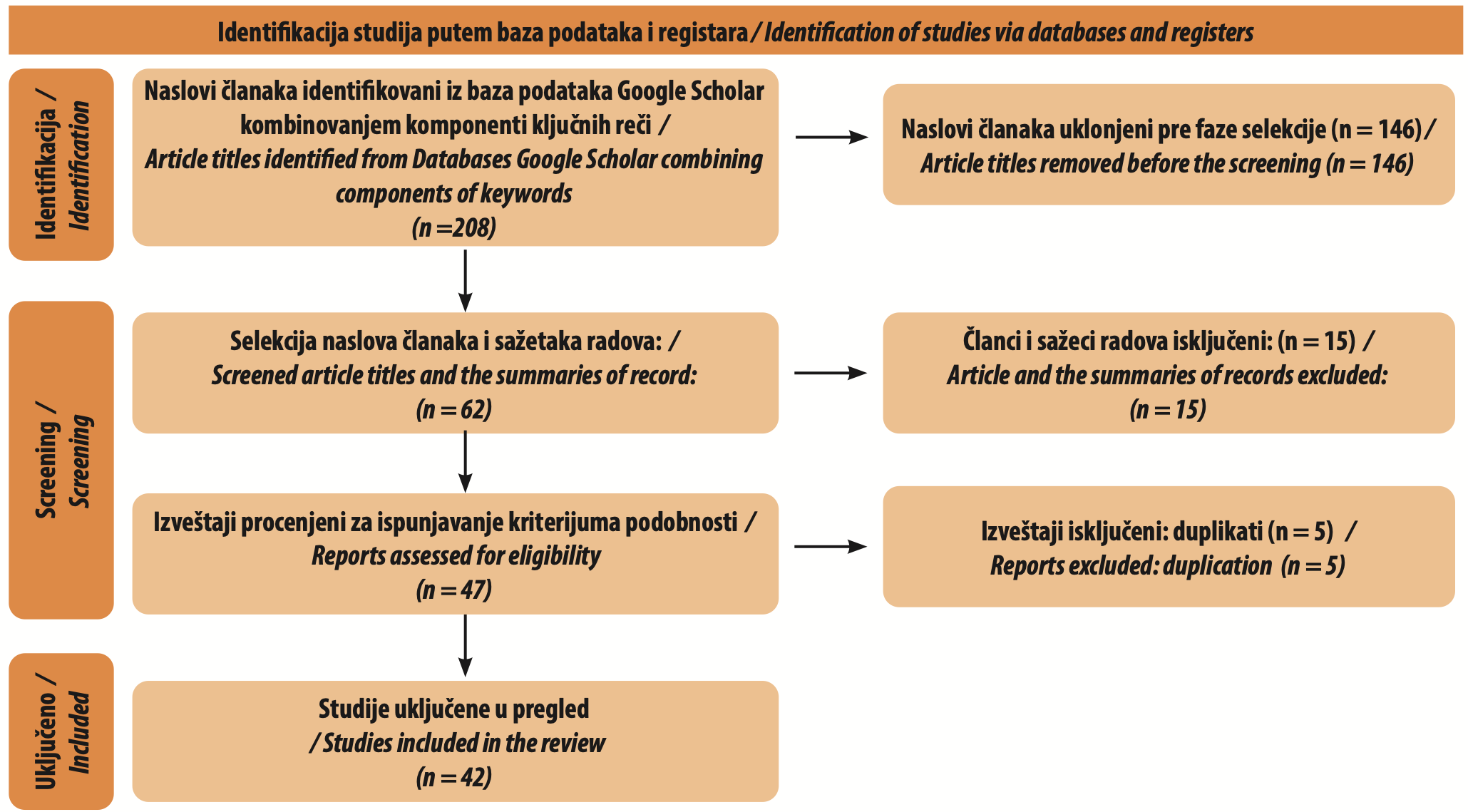
Following the PRISMA guide [16] and by reviewing the PRISMA flow diagram (Figure 1), we conducted the literature selection by initially analyzing the titles. For the extracted titles, a screening of each record’s summary was performed, after which it was determined whether the article’s content would be relevant or helpful for a systematic review. This search resulted in an analysis of 208 article titles, from which 62 were selected based on their titles. An additional 15 articles were excluded because they did not contain data significant for the SWOT analysis and lacked relevant insights into the key aspects of donor gamete programs and their impact on reproductive medicine. Five duplicates were also removed. Consequently, 42 articles met the selection criteria, forming the basis of this paper.
 16]" width="2059" height="1139">
Qualitative Analysis
This study conducted a qualitative content analysis of literature to identify factors that potentially promoted growth and posed challenges to the development of the reproductive bioeconomy. This research employed a SWOT analysis as a methodological framework for organizing and interpreting qualitative data. The SWOT analysis helps to identify strengths, weaknesses, opportunities, and threats within the reproductive bioeconomy, offering a structured approach to understanding the potential and challenges in this area. This method is beneficial for synthesising data from scientific references, as it allows for the integration of complex information and its application in strategic planning and development of the sector.
A categorization into growth drivers and challenges has been established. Factors classified as growth drivers include all aspects that positively contribute to the development of the reproductive bioeconomy, while factors classified as challenges involve obstacles and risks.
The first author did the title review, analysis, and synthesis of the articles listed in the references. The first author read the full texts of 42 articles and divided and grouped the titles into SWOT tables. The parts of the article text that addressed the questions on strengths, weaknesses, opportunities, and threats were examined based on the instructions on why they belonged in the given table and were assigned the symbol +. The second and third authors reviewed and cross-checked the texts of all retrieved papers. The information search framework was created based on SWOT analyses, requiring the extraction of information from each paper and its presentation in the discussion by the first author, with suggestions from the second and third authors.
RESULTS
The results of the research are presented through four segments of SWOT analysis, using relevant references from the literature:
1. Strengths:
• Development of new biotechnologies and cryopreservation methods.
• Increased availability of bioeconomic products through biobanks.
• Delaying parenthood until later in life, with medical and social consequences.
2. Weaknesses:
• High costs and technical limitations of cryopreservation.
3. Opportunities:
• Implementation of transnational programs such as CBRC and TGD.
• Active participation of consumers in the reproductive bioeconomy market.
4. Threats:
• Ethical issues, commercialization of reproductive services, and the unknown long-term effects of new technologies.
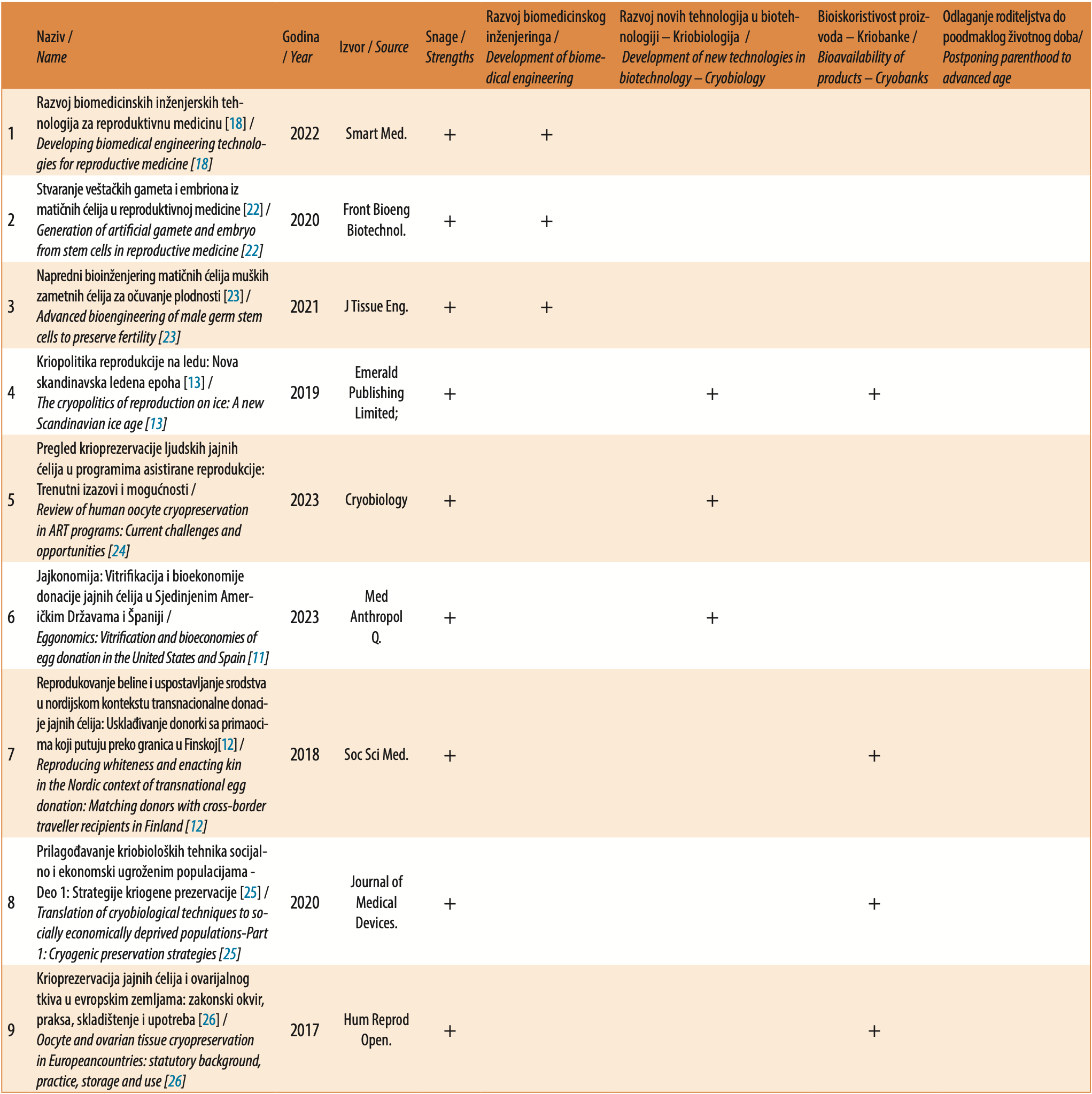
Each of the tables in the appendix covers specific aspects of the reproductive bioeconomy. Strengths (Table 1): This table provides an overview of references that highlight the strengths of the reproductive bioeconomy, including the development of new biotechnologies, advancements in biomedical engineering, and innovations in cryopreservation.
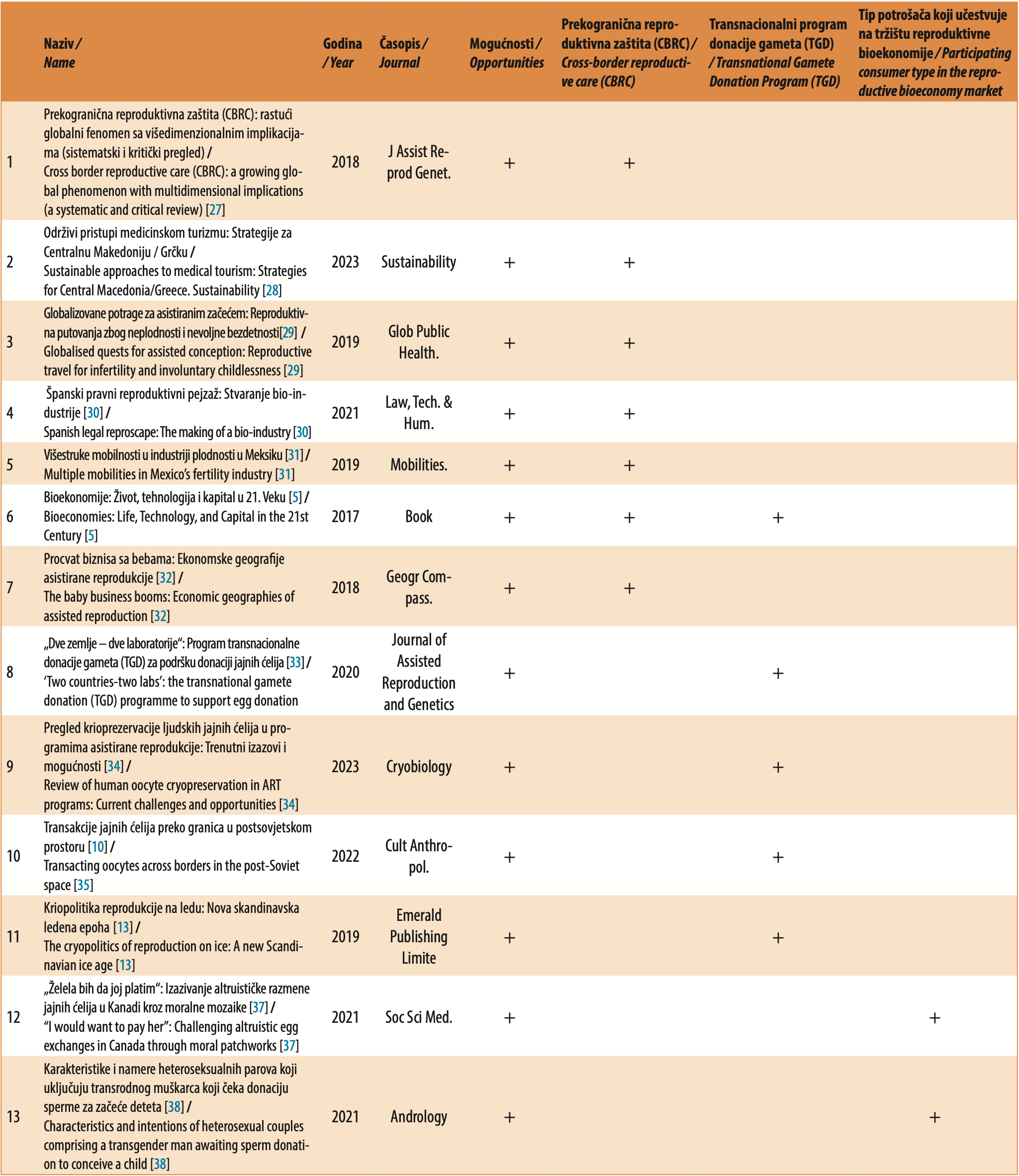
Opportunities (Table 2): Table 3 focuses on opportunities identified in the literature, such as expanding the application of bioeconomic solutions, the development of sustainable biotechnologies, and the enhancement of international cooperation in this area.
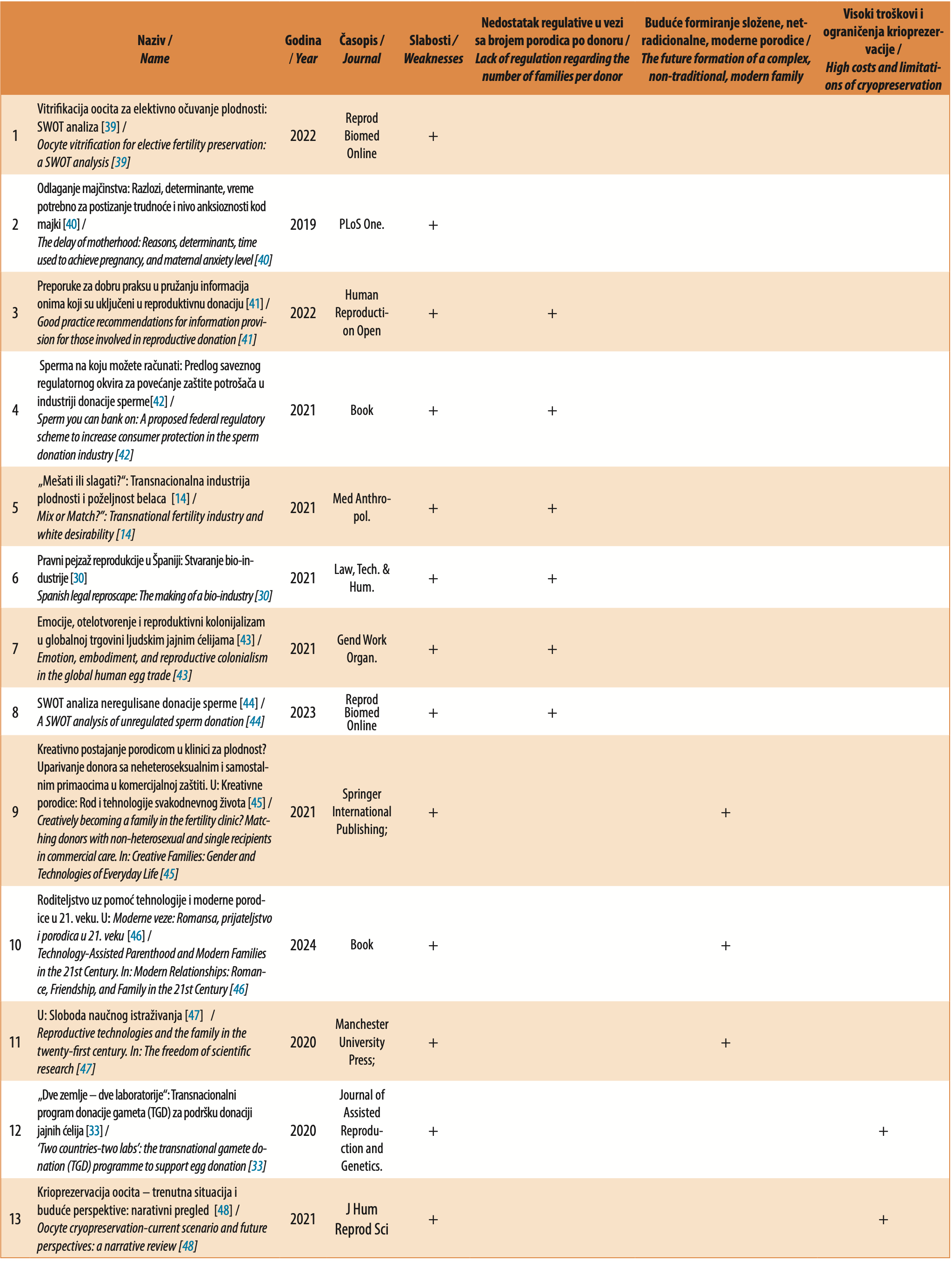
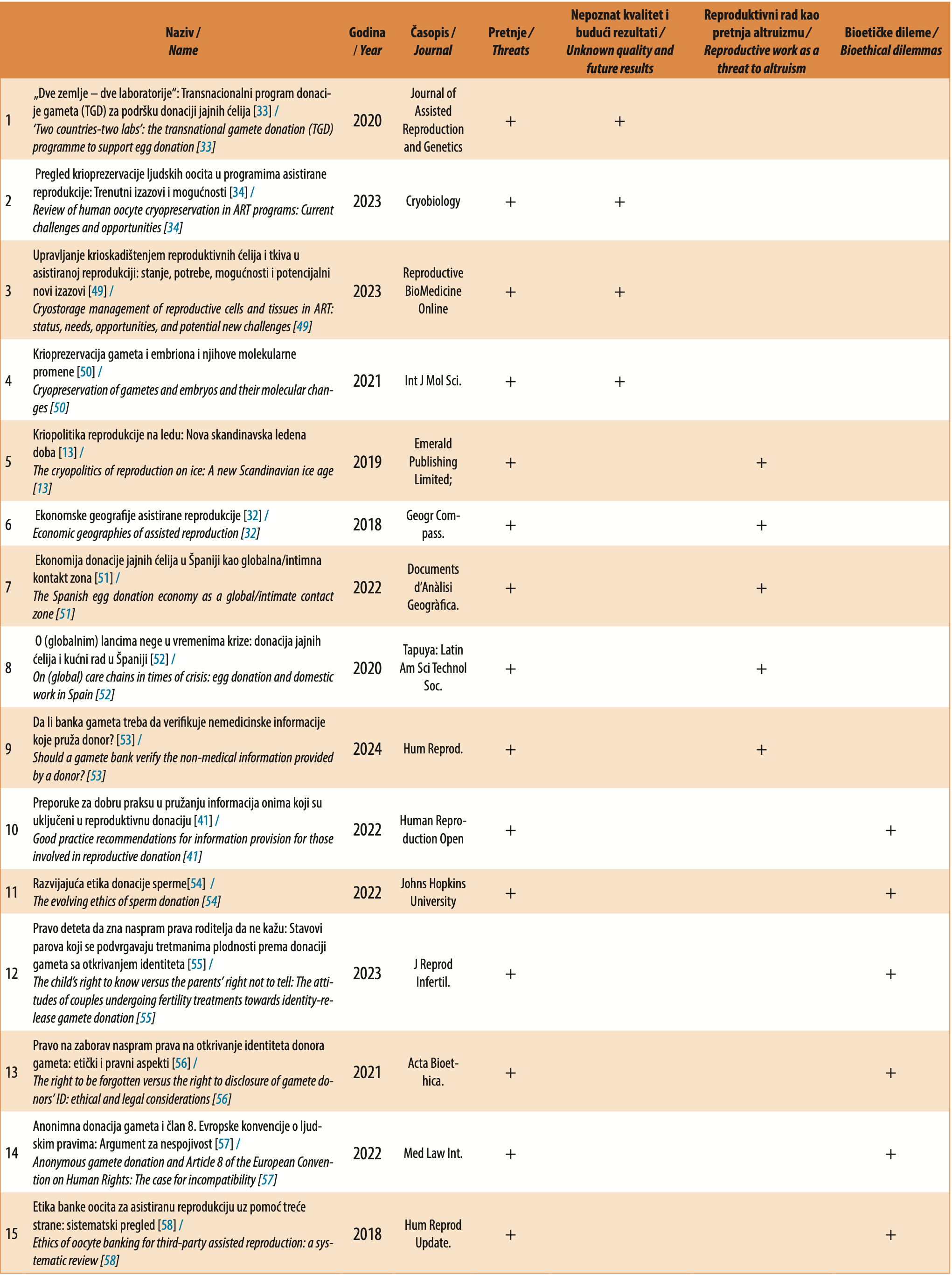
Weaknesses (Table 3): This table lists the weaknesses identified through the literature review, such as technical, financial, and regulatory challenges. These obstacles indicate the need for further research to overcome existing barriers.
Threats (Table 4): Table 4 provides an overview of the literature, in which threats were identified through analysis, including risks associated with ethical issues, regulatory constraints, and inadequate financial resources.
Growth factors beneficial to market development include innovation, technological advances, increased demand, and new opportunities such as cryopreservation, bioeconomic products available through biobanks, and delaying parenthood to a later stage in life. These drivers create new market opportunities, such as cross-border reproductive care (CRC) and transnational gamete donation (TGD) programs. The active involvement of consumers in the reproductive bioeconomy market allows better access to modern solutions and contributes to global connectivity in this area.
On the other hand, market challenges include obstacles, regulatory restrictions, ethical dilemmas, high costs, and other factors that can slow down growth or make it difficult to sustain a market, as well as regulating the number of families per donor, which requires strict legal frameworks (Figure 2). Moreover, the high costs and technical limitations of cryopreservation, along with the complexities of forming modern families, pose significant challenges that hinder the broader application of these technologies. Potential threats include unknown long-term outcomes, bioethical dilemmas, the risk of reproductive services becoming solely commercialized, and the erosion of altruistic principles in this field.
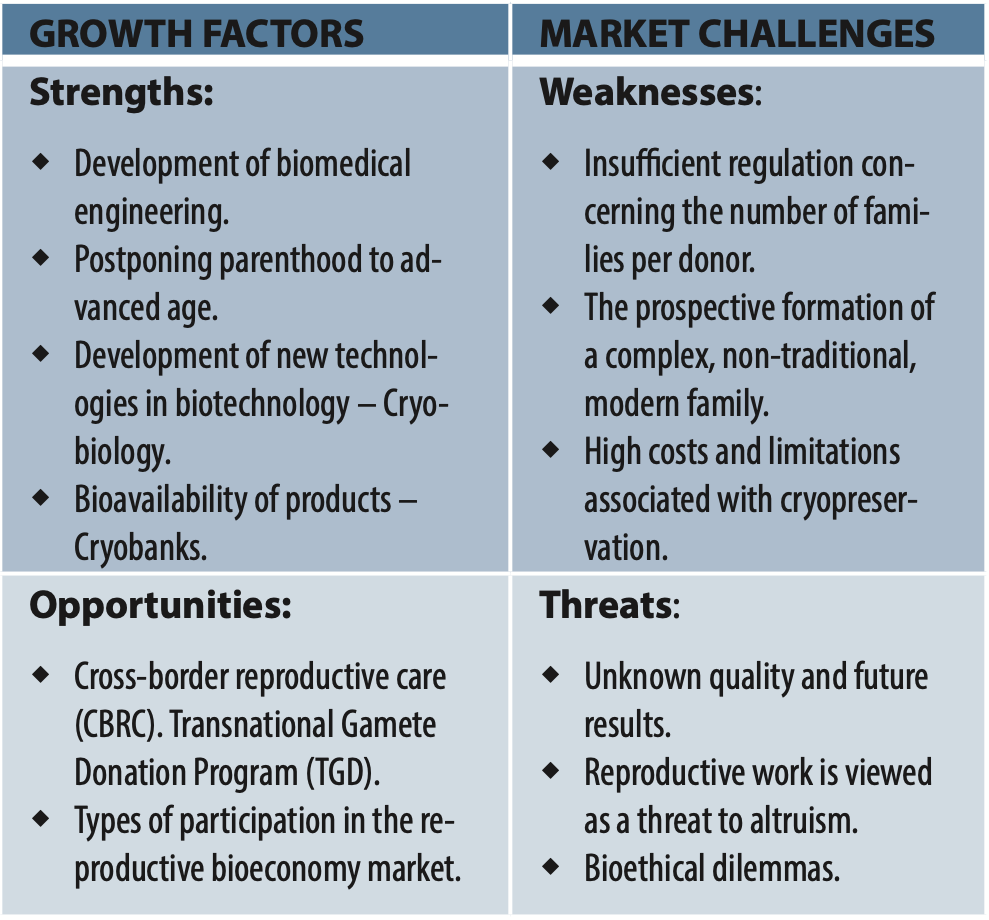
These findings emphasize the importance of balancing innovation with regulation to ensure the sustainability and ethical development of the reproductive bioeconomy.
DISCUSSION
The literature review and SWOT analysis highlighted key strengths, opportunities, weaknesses, and threats within the reproductive bioeconomy. These results support similar conclusions from previous works, such as the study on the bioeconomy in Latvia [17], which highlighted regulatory challenges and the need for support for innovation. The coherence of the results points to universal patterns of bioeconomy development.
The research results are discussed through four key segments of the SWOT analysis, supported by references from relevant scientific journals. The following discussion will critically examine these findings and their broader implications for the field.
Strengths
The existence and continuous development of biomedical engineering, along with advancements in biotechnology, particularly in cryobiology and artificial gamete production, have significantly improved the efficiency of donor programs [19]. Implementing these technologies in reproductive medicine has led to enhanced cryopreservation techniques, increasing the viability and longevity of stored reproductive cells. This directly contributes to higher success rates in assisted reproduction treatments and strengthens the reliability of donor programs. Furthermore, the integration of regenerative biomedicine and personalized therapy approaches within donor programs enables tailored treatment strategies [20]. This enables a more precise selection and optimization of reproductive cells, ultimately enhancing patient outcomes. By adopting these innovations, clinics can improve the quality of their services, offering patients broader opportunities for infertility treatment. Postponing parenthood to later years increases health risks and challenges in demographic trends. Although reproductive medicine technologies allow for the extension of reproductive potential, limitations remain pronounced for older patients. Oocyte vitrification allows for a more efficient organization of donor programs and reduces waiting lists [21]. The advantages are recognized by the high standard of service achieved through new technologies in diagnostics, clinical therapy, and regenerative medicine, including cell and tissue culture, as confirmed by numerous researchers [18],[22],[23]. Researchers also indicate that the formation of cryobanks, thanks to vitrification techniques, has reduced the waiting list and eliminated the synchronisation of donor and recipient cycles, and by respecting the phenotypic match between donors and patients, it facilitates the fulfillment of an essential aspect of strengthening parent-child attachment, as researchers believe [12],[13],[25],[26].
Opportunities
Transnational gamete donation (TGD) and cross-border reproductive care (CBRC) programs allow for overcoming legal and social restrictions, thereby expanding the availability of services [27]. Spain, the Czech Republic, Greece, and Denmark attract users with favourable legal frameworks. The diversity of the type of consumers participating in the reproductive bioeconomy market (heterosexual couples, LGBT communities, transgender people, single parents] indicates a growing acceptance and adaptation of the market to the needs of modern families. There is significant market potential for expanding services internationally, as evidenced by research on the complexity of the cross-border reproductive care industry, particularly in countries where there is a shortage of donors or where there are restrictions, whether legal, ethical, or religious [27],[28],[29],[30]. Research also shows that international market expansion is facilitated by a well-organized transnational trade system [33],[34],[35].
Weaknesses
The lack of uniform regulations for the number of families per donor poses a challenge, particularly in the context of the globalisation of the reproductive cell market. Variations in national standards make it difficult to track donations across borders, increasing the risk of accidental genetic connections among donor-conceived individuals. Furthermore, inconsistent regulations create legal uncertainties for both reproductive banks and intended parents, potentially limiting market efficiency and access to donor gametes in certain regions. The formation of non-traditional families presents challenges related to social acceptance and legal regulation [36], while the absence of a genetic connection can cause psychological and social obstacles.
Although the globalisation of donor practices could contribute to the expansion of the reproductive bioeconomic market, the lack of uniform regulatory standards makes it difficult to track the total number of donations and related families, which creates ethical and legal obstacles to the further development of this sector [14],[43],[44]. In addition, modern forms of families, including those based on gamete donation, often face legal constraints, as traditional legal frameworks do not keep pace with dynamic changes in reproductive technologies and social norms. This discrepancy between legal regulations and social needs slows market development and limits the availability of services for different groups of users [45],[46],[47].
Threats
The unknown long-term quality and outcomes of cryopreservation of embryos, including possible epigenetic changes, pose significant challenges to the health outcomes of children born through these technologies, which are not sufficiently researched, and the existence of which is unknown. Bioethical dilemmas, such as donor anonymity and the right of children to know their genetic origin, remain unresolved issues in many contexts. The commercialization of reproductive labour threatens the principles of altruism and potentially contributes to the exploitation of economically vulnerable individuals. The unknown safety and quality of cryopreserved cells, along with possible epigenetic changes that may impact embryo development [32],[33],[49],[50], pose a significant threat to the growth of the bioeconomic market. In addition, the commercialisation of reproductive organ donation and economically motivated donor participation [51],[52],[53] challenge the ethical principles of altruism, which may lead to regulatory constraints and reduce patient trust. Bioethical dilemmas, such as donor anonymity and psychological consequences for offspring [54], further complicate public perception and potentially limit market development.
This study may not be as comprehensive as it could be, as it only reviewed publications in the English language. Given that this is an evolving field of research, it is possible that articles published after our study were not included in this review. Nonetheless, following the PRISMA guide, our recommended insights include the following. While technological advancements and expanding market opportunities suggest significant progress, these benefits must be critically examined in light of ongoing challenges. For instance, although cryopreservation techniques and regenerative medicine improve the efficiency of donor programs, the long-term biological and ethical implications remain uncertain. Additionally, while the globalisation of reproductive services increases accessibility, it also raises concerns about regulatory inconsistencies and ethical dilemmas. Therefore, a balanced approach is crucial to maximise benefits while mitigating potential risks.
CONCLUSION
The study results indicate the significant potential of the reproductive bioeconomy in improving infertility treatment and family diversification. However, the creation of a national registry is a key regulatory oversight for the control of biomedically assisted reproduction with donated reproductive cells. The regulatory framework should be changed in the direction of the need for transparent and ethical regulations to ensure transparency, accessibility, and the well-being of all participants (allowing access to children conceived from donation to choose to know about their genetic origin). A compromise can be achieved by investing in family-friendly policies, allowing women who delay childbearing to decide to have children earlier. Further research should focus on the long-term effects of technologies and the standardisation of international practices.
Informations

-
Keywords:
-
Received:
-
Revised:
-
Accepted:
-
Online first:
-
DOI:
-
Cite this article:

Biljana Đorđević
Special Gynecology Clinic “Teofanović”
6 Kralja Bodina Street, 11000 Belgrade, Serbia
E-mail:
1. Organisation for Economic Co-operation and Development (OECD). The Bioeconomy to 2030: Designing a Policy Agenda [Internet]. Paris: OECD; 2009 [cited 2025 Feb 7]. Available from; https://www.oecd.org/content/dam/oecd/en/publications/reports/2009/04/the-bioeconomy-to-2030_g1gha07e/9789264056886-en.pdf [HTTP]
2. United Nations, Department of Economic and Social Affairs (UNDESA). World population ageing 2019. New York: United Nations; 2020.
3. Birch K, Tyfield D. Theorizing the bioeconomy: biovalue, biocapital, bioeconomics or... what?. Sci Technol Hum Values. 2013;38(3):299-327. doi: 10.1177/0162243912442398. [CROSSREF]
4. Zilberman D, Kim E, Kirschner S, Kaplan S, Reeves J. Technology and the future bioeconomy. Agric Econ. 2013 Nov;44(Suppl 1):95-102. doi 10.1111/agec.12054. [CROSSREF]
5. Marelli L, Testa G. Bioeconomies: Life, Technology, and Capital in the 21st Century. London: Palgrave Macmillan; 2017. Available from: https://doi.org/10.1007/978-3-319-55651-2 [CROSSREF]
6. Priefer C, Jörissen J, Frör O. Pathways to shape the bioeconomy. Resources. 2017;6(1):10. doi:10.3390/resources6010010. [CROSSREF]
7. Vertommen S, Pavone V, Nahman M. Global fertility chains: an integrative political economy approach to understanding the reproductive bioeconomy. Sci Technol Hum Values. 2022;47(1):112-45. doi:10.1177/0162243921996460. [CROSSREF]
8. Saitou M, Hayashi K. Mammalian in vitro gametogenesis. Science. 2021;374(6563). doi:10.1126/science.aaz6830. [CROSSREF]
9. Sehic E, Brännström M, Hellström M. Progress in preclinical research on uterus bioengineering that utilizes scaffolds derived from decellularized uterine tissue. Biomed Mater Devices. 2023;1(1):66-73. doi:10.1007/s44174- 022-00036-x. [CROSSREF]
10. Dzobo K, Thomford NE, Senthebane DA, Shipanga H, Rowe A, Dandara C, et al. Advances in regenerative medicine and tissue engineering: innovation and transformation of medicine. Stem Cells Int. 2018;2018:2495848. doi: 10.1155/2018/2495848. [CROSSREF]
11.Tober D, Pavone V, Lafuente-Funes S, Konvalinka N. Eggonomics: vitrification and bioeconomies of egg donation in the United States and Spain. Med Anthropol Q. 2023;37(3):248-63. doi:10.1111/maq.12767. [CROSSREF]
12. Homanen R. Reproducing whiteness and enacting kin in the Nordic context of transnational egg donation: matching donors with cross-border traveller recipients in Finland. Soc Sci Med. 2018;203:28-34. doi:10.1016/j.socscimed.2018.03.012. [CROSSREF]
13. Kroløkke C, Petersen TS, Herrmann JR, Bach AS, Adrian SW, Klingenberg R, et al. The cryopolitics of reproduction on ice: a new Scandinavian ice age. Emerald Publishing Limited; 2019. doi:10.1108/978-1-83867-042-920191010. [CROSSREF]
14. Pande A. “Mix or Match?”: transnational fertility industry and white desirability. Med Anthropol. 2021;40(4):335-47. doi:10.1080/01459740.2021.1877289. [CROSSREF]
15. Ignjatović S. Bioetičke dileme i regulacija reproduktivnih prava u Srbiji i Evropskoj uniji u komparativnoj perspektivi [Internet]. Academia.edu;2019 [cited 2025 Jan 9]. Available from: https://www.academia.edu/105916645/Bioeti%C4%8Dke_dileme_i_regulacija_reproduktivnih_prava_u_Srbiji_i_Evropskojuniji_u_komparativnoj_perspektivi [HTTP]
16. Page MJ, McKenzie JE, Bossuyt PM, Boutron I, Hoffmann TC, Mulrow CD, et al. The PRISMA 2020 statement: an updated guideline for reporting systematic reviews. BMJ 2021;372:n71. doi:10.1136/bmj.n71. [CROSSREF]
17. Zoltnere V, Laca Z. Factors affecting the development of the bioeconomy in Latvia. In: Economic Science for Rural Development: Proceedings of the International Scientific Conference; 2021. p. 26-34. Available from: https://llufb.llu.lv/conference/economic_science_rural/2021/Latvia_ESRD_55_2021-26-34.pdf [HTTP]
18. Zhu Y, Kong B, Liu R, Zhao Y. Developing biomedical engineering technologies for reproductive medicine. Smart Med. 2022;1(1). doi:10.1002/ smmd.20220006. [CROSSREF]
19. Weerarathna IN, Kumar P, Luharia A, Mishra G. Engineering with Biomedical Sciences Changing the Horizon of Healthcare-A Review. Bioengineered. 2024 Dec;15(1):2401269. doi:10.1080/21655979.2024.2401269. [CROSSREF]
20. Chattopadhyay S, Goswami A, Sil M. Nanobiotechnology: traditional re-interpreting personalized medicine through targeted therapies and regenerative solutions. Naunyn Schmiedeberg's Arch Pharmacol. 2025. doi:10.1007/s00210-025-04038-6. [CROSSREF]
21. Cobo A, García-Velasco JA, Coello A, Domingo J, Pellicer A, Remohí J. Oocyte vitrification as an efficient option for elective fertility preservation. Fertil Steril. 2016 Mar;105(3):755-764.e8. doi:10.1016/j.fertnstert.2015.11.027. [CROSSREF]
22. Zhang PY, Fan Y, Tan T, Yu Y. Generation of artificial gamete and embryo from stem cells in reproductive medicine. Front Bioeng Biotechnol. 2020;8:781. doi:10.3389/fbioe.2020.00781. [CROSSREF]
23. Eyni H, Ghorbani S, Nazari H, Hajialyani M, Razavi Bazaz S, Mohaqiq M, et al. Advanced bioengineering of male germ stem cells to preserve fertility. J Tissue Eng. 2021;12:20417314211060590. doi:10.1177/20417314211060590. [CROSSREF]
24. Sciorio R, Pluchino N, Fuller BJ. Review of human oocyte cryopreservation in ART programs: Current challenges and opportunities. Cryobiology. 2023;104590. doi:10.1016/j.cryobiol.2023.104590. [CROSSREF]
25. Buriak I, Fleck RA, Goltsev A, Shevchenko N, Petrushko M, Yurchuk T, et al. Translation of cryobiological techniques to socially economically deprived populations—Part 1: Cryogenic preservation strategies. Journal of Medical Devices. 2020;14(1):010801. doi:10.1115/1.4045878. [CROSSREF]
26. ESHRE Working Group on Oocyte Cryopreservation in Europe, Shenfield F, De Mouzon J, Scaravelli G, Kupka M, Ferraretti AP, et al. Oocyte and ovarian tissue cryopreservation in European countries: statutory background, practice, storage and use. Hum Reprod Open. 2017;2017(1). doi:10.1093/hropen/ hox003. [CROSSREF]
27. Salama M, Isachenko V, Isachenko E, Rahimi G, Mallmann PM, Westphal LM, Inhorn MC, Patrizio P. Cross border reproductive care (CBRC): a growing global phenomenon with multidimensional implications (a systematic and critical review). J Assist Reprod Genet. 2018;35:1277-88. doi:10.1007/s10815- 018-1181-x. [CROSSREF]
28. Tsekouropoulos G, Vasileiou A, Hoxha G, Dimitriadis A, Zervas I. Sustainable approaches to medical tourism: strategies for Central Macedonia/Greece. Sustainability. 2023;16(1):121. doi:10.3390/su16010121. [CROSSREF]
29. Whittaker A, Inhorn MC, Shenfield F. Globalised quests for assisted conception: reproductive travel for infertility and involuntary childlessness. Glob Public Health. 2019;14(12):1669-88. doi:10.1080/17441692.2019.1627479. [CROSSREF]
30. Alkorta I. Spanish legal reproscape: the making of a bio-industry. Law, Tech. & Hum. 2021;3:123. doi:10.5204/lthj.1489. [CROSSREF]
31. Schurr C. Multiple mobilities in Mexico’s fertility industry. Mobilities. 2019;14(1):103-19. doi:10.1080/17450101.2019.1522881. [CROSSREF]
32. Schurr C. The baby business booms: economic geographies of assisted reproduction. Geogr Compass. 2018;12(8). doi:10.1111/gec3.12395. [CROSSREF]
33. Coccia ME, Rizzello F, Wakunga S, Badolato L, Evangelisti P, Bertocci F, et al. ‘Two countries-two labs’: the transnational gamete donation (TGD) programme to support egg donation. J Assist Reprod Genet. 2020 Dec;37(12):3039- 49. doi:10.1007/s10815-020-01961-w. [CROSSREF]
34. Sciorio R, Pluchino N, Fuller BJ. Review of human oocyte cryopreservation in ART programs: current challenges and opportunities. Cryobiology. 2023;104590. doi:10.1016/j.cryobiol.2023.104590. [CROSSREF]
35. Reeves M. Vital labors: transacting oocytes across borders in the post-Soviet space. Cult Anthropol. 2022;37(1):23-9. doi:10.14506/ca37.1.04. [CROSSREF]
36. Di Battista S, Pivetti M. “Non-traditional” parents in contemporary societies. Soc Sci. 2024;13(1):2. doi:10.3390/socsci13010002. [CROSSREF]
37. Miner SA. “I would want to pay her”: challenging altruistic egg exchanges in Canada through moral patchworks. Soc Sci Med. 2021;272:113733. doi- :10.1016/j.socscimed.2021.113733. [CROSSREF]
38. Bonan S, Chapel‐Lardic E, Rosenblum O, Dudkiewicz‐Sibony C, Chamouard L, Wolf JP, et al. Characteristics and intentions of heterosexual couples comprising a transgender man awaiting sperm donation to conceive a child. Andrology. 2021;9(6):1799-807. doi:10.1111/andr.13103. [CROSSREF]
39. Gil-Arribas E, Blockeel C, Pennings G, Nekkebroeck J, Velasco JAG, Serna J, et al. Oocyte vitrification for elective fertility preservation: a SWOT analysis. Reprod Biomed Online. 2022;44(6):1005-14. doi:10.1016/j.rbmo.2022.02.001. [CROSSREF]
40. Molina-García L, Hidalgo-Ruiz M, Cocera-Ruíz EM, Conde-Puertas E, Delgado-Rodríguez M, Martínez-Galiano JM. The delay of motherhood: reasons, determinants, time used to achieve pregnancy, and maternal anxiety level. PLoS One. 2019;14(12). doi:10.1371/journal.pone.0227063. [CROSSREF]
41. ESHRE Working Group on Reproductive Donation, Kirkman-Brown J, Calhaz-Jorge C, Dancet EAF, Lundin K, Martins M, Tilleman K, et al. Good practice recommendations for information provision for those involved in reproductive donation. Hum Reprod Open. 2022 Feb 16;2022(1):hoac001. doi:10.1093/ hropen/hoac001. [CROSSREF]
42. Stookey J. Sperm you can bank on: a proposed federal regulatory scheme to increase consumer protection in the sperm donation industry [Internet]. Newark (NJ): Seton Hall University School of Law; 2021 [cited 2025 Jan 9]. Available from: https://scholarship.shu.edu/cgi/viewcontent.cgi?article=2254&context=student_scholarship [HTTP]
43. Tober D, Kroløkke C. Emotion, embodiment, and reproductive colonialism in the global human egg trade. Gend Work Organ. 2021;28(5):1766-86. doi:10.1111/gwao.12637. [CROSSREF]
44. Pennings G. A SWOT analysis of unregulated sperm donation. Reprod Biomed Online. 2023;46(1):203-9. doi:10.1016/j.rbmo.2022.09.013. [CROSSREF]
45. Homanen R. Creatively becoming a family in the fertility clinic? Matching donors with non-heterosexual and single recipients in commercial care. In: Andreassen R, Nebeling Petersen M, Harrison K, Andreassen C, editors. Creative Families: gender and technologies of everyday life. Cham: Springer International Publishing; 2021. p. 19-41. doi:10.1007/978-3-030-70803-0_2. [CROSSREF]
46. Gameiro S. Technology-assisted parenthood and modern families in the 21st century. In: Hojjat M, Moyer A, editors. Modern relationships: romance, friendship, and family in the 21st century. New York (NY): Oxford University Press; 2024. p. 308. doi:10.1093/oso/9780197655504.003.0018. [CROSSREF]
47. Cutas D, Smajdor A. Reproductive technologies and the family in the twenty-first century. In: Borovecki A, ten Have H, editors. The freedom of scientific research. Manchester: Manchester University Press; 2020. p. 57-70. doi:10.77 65/9781526146472.00014. [CROSSREF]
48. Pai HD, Baid R, Palshetkar NP, Pai A, Pai RD, Palshetkar R. Oocyte cryopreservation-current scenario and future perspectives: a narrative review. J Hum Reprod Sci. 2021;14(4):340-9. doi:10.1016/j.cryobiol.2023.104590. [CROSSREF]
49. Canosa S, Maggiulli R, Cimadomo D, Innocenti F, Fabozzi G, Gennarelli G, et al. Cryostorage management of reproductive cells and tissues in ART: status, needs, opportunities, and potential new challenges. Reprod Biomed Online. 2023;47(5):103547. doi:10.1016/j.rbmo.2023.06.007. [CROSSREF]
50. Estudillo E, Jiménez A, Bustamante-Nieves PE, Palacios-Reyes C, Velasco I, López-Ornelas A. Cryopreservation of gametes and embryos and their molecular changes. Int J Mol Sci. 2021;22(19):10864. doi:10.3390/ijms221910864. [CROSSREF]
51. Perler L, Schurr C. Geographies of assisted reproduction: The Spanish egg donation economy as a global/intimate contact zone. Documents d'Anàlisi Geogràfica. 2022;68(2):313-33. doi:10.5565/rev/dag.725. [CROSSREF]
52. Lafuente-Funes S, Pérez Orozco A. On (global) care chains in times of crisis: egg donation and domestic work in Spain. Tapuya: Latin Am Sci Technol Soc. 2020;3(1):354-76. doi:10.1080/25729861.2020.1796326. [CROSSREF]
53. Pennings G. Should a gamete bank verify the non-medical information provided by a donor? Hum Reprod. 2024;39(1):deae004. doi:10.1093/humrep/ deae004. [CROSSREF]
54. Levin AT. The evolving ethics of sperm donation [dissertation]. Baltimore (MD): Johns Hopkins University; 2022.
55. Rocha DO, Melamed RMM, Braga DPD A F, Setti AS, Iaconelli Jr A, Borges Jr E. The child’s right to know versus the parents’ right not to tell: the attitudes of couples undergoing fertility treatments towards identity-release gamete donation. J Reprod Infertil. 2023;24(3):198. doi:10.18502/jri.v24i3.13276. [CROSSREF]
56. Correia M, Rego G, Nunes R. The right to be forgotten versus the right to disclosure of gamete donors' ID: ethical and legal considerations. Acta Bioeth. 2021;27(1):69-76. doi:10.4067/S1726-569X2021000100069. [CROSSREF]
57. Mulligan A. Anonymous gamete donation and Article 8 of the European Convention on Human Rights: The case for incompatibility. Med Law Int. 2022;22(2):119-46. doi:10.1177/096853322210096. [CROSSREF]
58. Kool EM, Bos AME, van der Graaf R, Fauser BCJM, Bredenoord AL. Ethics of oocyte banking for third-party assisted reproduction: a systematic review. Hum Reprod Update. 2018 Sep 1;24(5):615-35. doi:10.1093/humupd/dmy016. [CROSSREF]
- Figure 1. Illustrated PRISMA flow diagram of study selection in accordance with the PRISMA guide [16]
- Table 1. Studies included in the systematic review (Strengths)
- Table 2. Studies included in the systematic review (Opportunities)
- Table 3. Studies included in the systematic review (Weaknesses)
- Table 4. Studies included in the systematic review (Threats)
- Figure 2. SWOT analysis of the reproductive bioeconomy