


The outcome evaluation of an acute ischaemic stroke in the posterior region in relation to routine blood count parameters – neutrophil /lymphocyte ratio, plateletcrit and mean platelet volume
- Special hospital for cerebrovascular diseases “Saint Sava”, Belgrade, Serbia
ABSTRACT
Introduction: Acute stroke is defined as a focal or global disorder of brain function that occurs suddenly and is the third leading cause of death in the world. Depending on the mechanism of occurrence, it can be classified as acute ischemic stroke and acute hemorrhagic stroke.
The work aims to examine the hypothesis that the ratio of neurtophils to lymphocytes (NLR), thrombocrit (Pct) and mean platelet volume (MVP) are significantly increased in patients with a worse outcome of a stroke in the posterior basin.
Material and methods: The basis of the methodology is the analysis of laboratory data of 205 patients with ischemic stroke of the posterior basin with data on the modified Rankin score at discharge, which were adjusted into ranks for three possible treatment outcomes: good, moderately bad, and bad disease outcomes.
Results: The strongest predictor of the outcome was the increase in the ratio of neutrophils and lymphocytes (NLR), which correlates with a poor outcome of the disease (p < 0,001). Thrombocrit also shows a moderate degree of association with the outcome of posterior basin ischemic stroke graded by ranks of the modified Rankin score (p = 0,002). The mean volume of platelets, in this sample of subjects, did not show either a statistical significance of the difference between the groups of patients according to the outcome of the disease graded by the ranks of the modified Rankin score, or a correlation with the outcome of the disease according to the same criterion.
Conclusion: Neutrophil to lymphocyte ratio (NLR), as well as thrombocrit (Pct), are variables that, based on this study and the results from the available literature, are significantly more often elevated in patients with a worse outcome of a stroke in the posterior basin where they represent a predictor of a worse outcome of the disease.
INTRODUCTION
Acute stroke (AS) is defined as a focal or global disturbance of brain function that abruptly arises due to disruptions in the cerebral circulation, leading to insufficient blood flow to meet neuronal metabolic demands for oxygen and glucose [1],[2]. AS ranks as the third leading cause of death worldwide, following cardiovascular and malignant diseases [1]. Depending on the underlying mechanism, AS can be classified as acute ischemic stroke (AIS), resulting from vascular occlusion and accounting for approximately 75–80% of cases, or as acute hemorrhagic stroke (AHS), encompassing intracerebral hemorrhage (ICH) or subarachnoid hemorrhage (SAH), which occurs in the remaining 20–25% of patients [1],[2].
In recent times, routine laboratory parameters easily obtainable from complete blood count have emerged as predictors of worse outcomes in ischemic stroke [3]. These parameters include the neutrophil-to-lymphocyte ratio (NLR), plateletcrit (Pct), and mean platelet volume (MPV).
This study aims to investigate the hypothesis that the neutrophil-to-lymphocyte ratio (NLR), plateletcrit (Pct), and mean platelet volume (MPV) are significantly elevated in patients with poorer outcomes of posterior circulation stroke. Laboratory parameter analysis was performed on patients with ischemic lesions in the posterior circulation, considering that these patients generally exhibit worse outcomes due to lesion location compared to anterior circulation lesions, aiming to establish the significance of these parameters within this specific patient subgroup.
MATERIALS AND METHODS
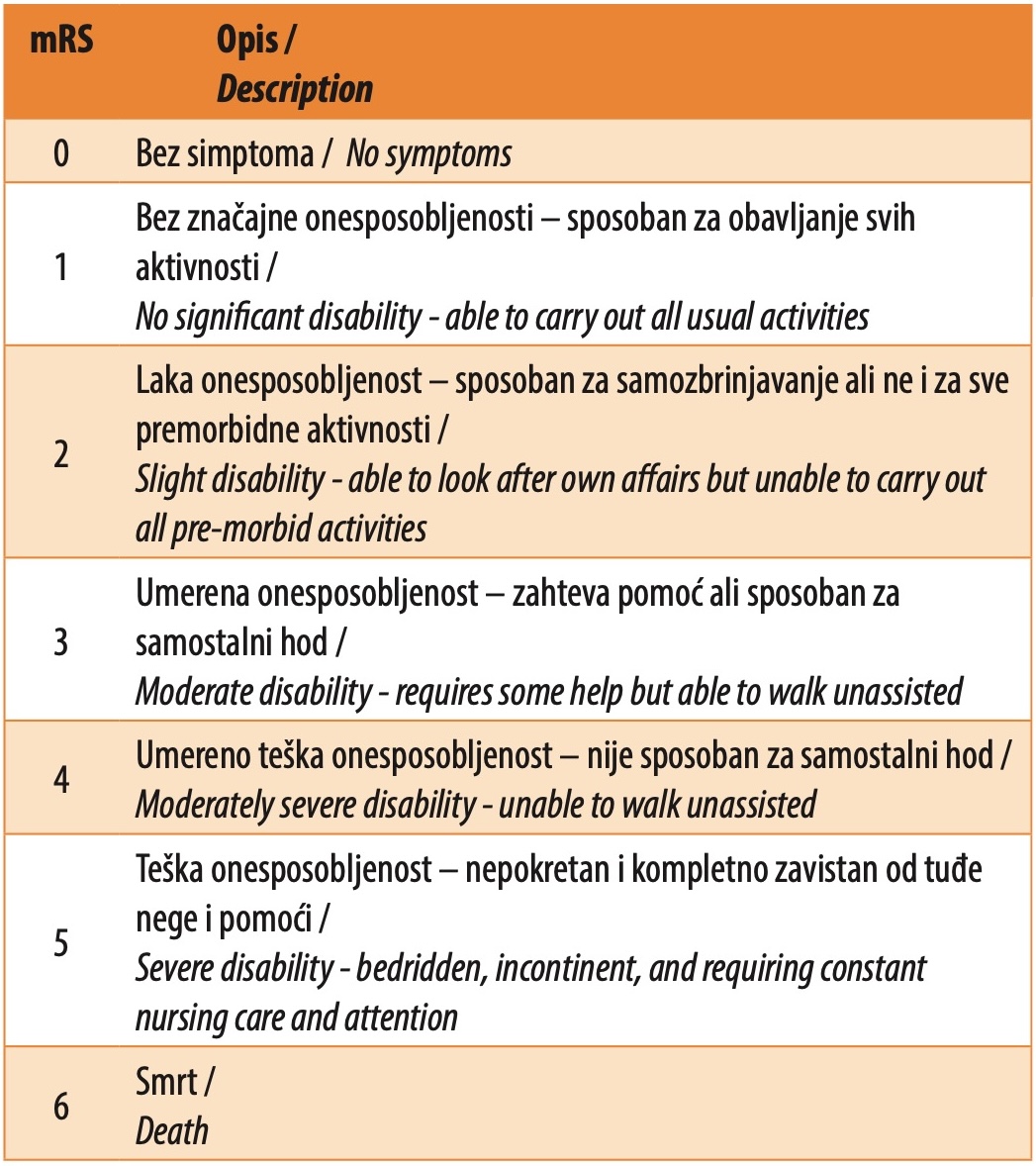
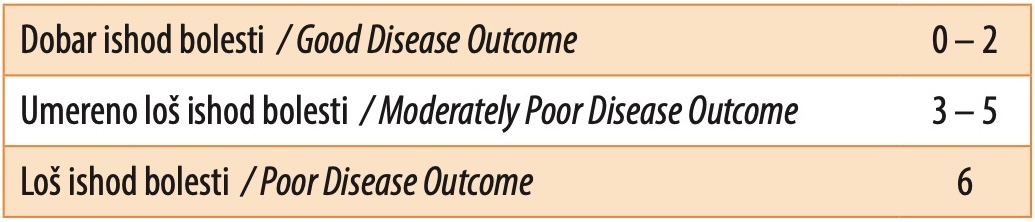
The primary methodology involved analyzing laboratory data obtained from a retrospective study of relevant medical records of patients with posterior circulation ischemic stroke. The dataset comprised information from 205 patients with posterior circulation ischemic stroke treated at the Special Hospital “Sveti Sava” from February 1, 2023, to August 1, 2023. Data included the modified Rankin Scale (mRS) score at discharge as an outcome variable (Table 1), and values of the neutrophil-to-lymphocyte ratio (NLR), mean platelet volume (MPV), and plateletcrit (Pct). The mRS scores were categorized into ranks representing three possible treatment outcomes: good, moderately poor, and poor disease outcomes (Table 2). Demographic data of the participants were also collected.
Statistical analysis was performed using IBM SPSS and Microsoft Excel software. Descriptive statistics methods were applied, and Spearman’s correlation coefficient was used with a statistical significance level set at less than 0.05.
RESULTS
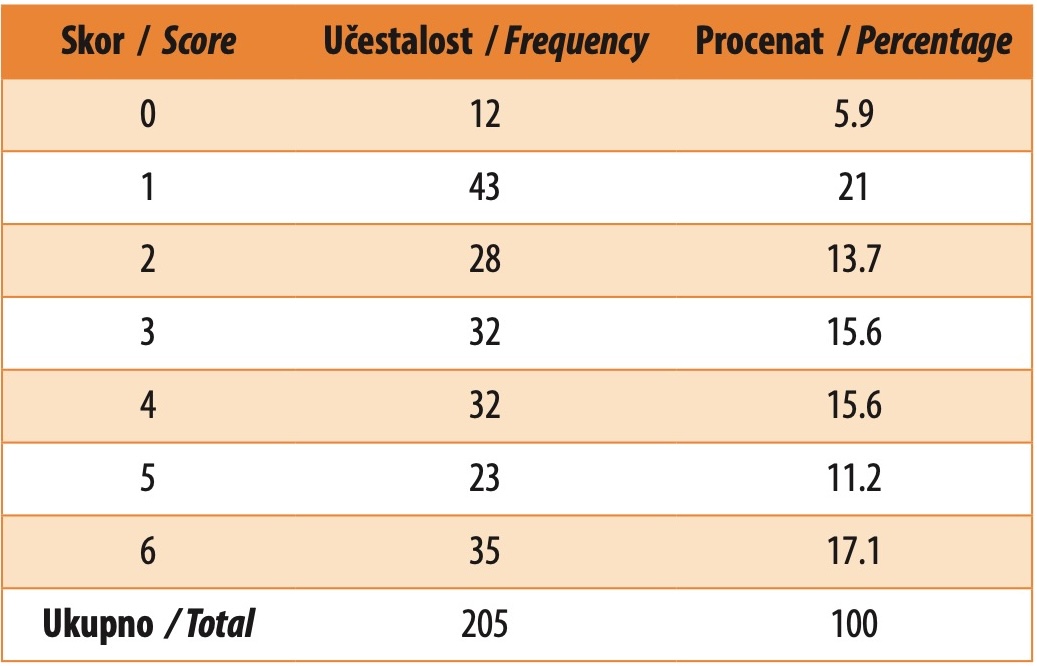
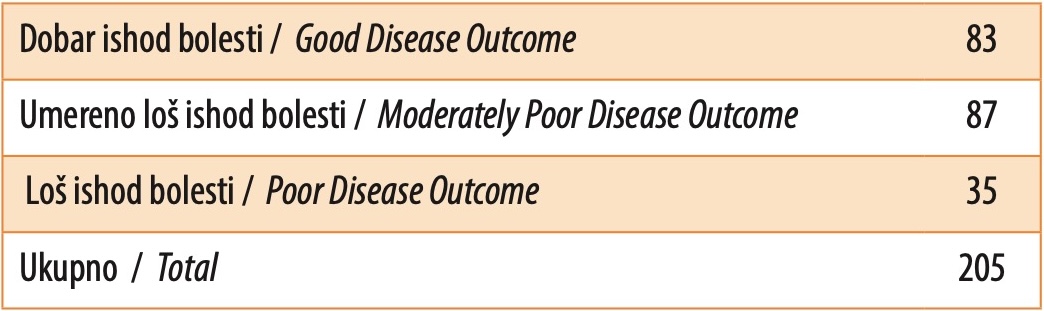
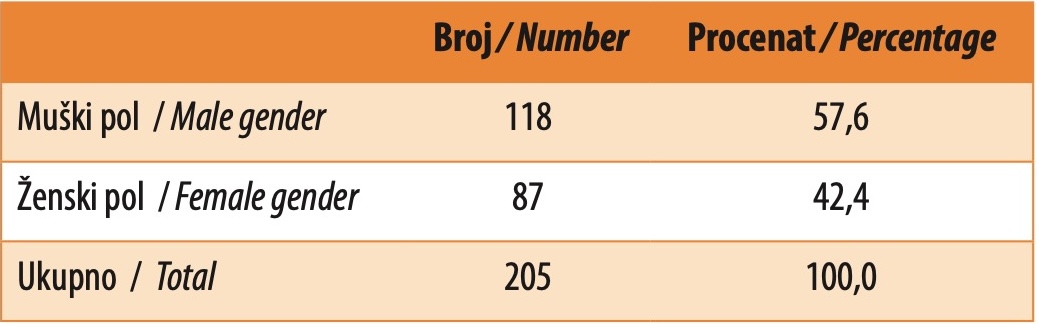
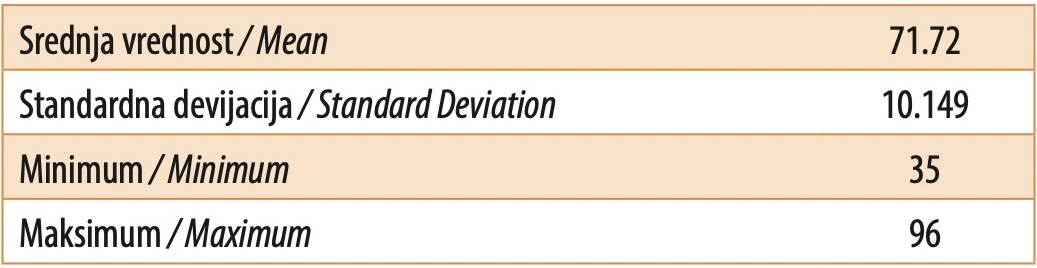
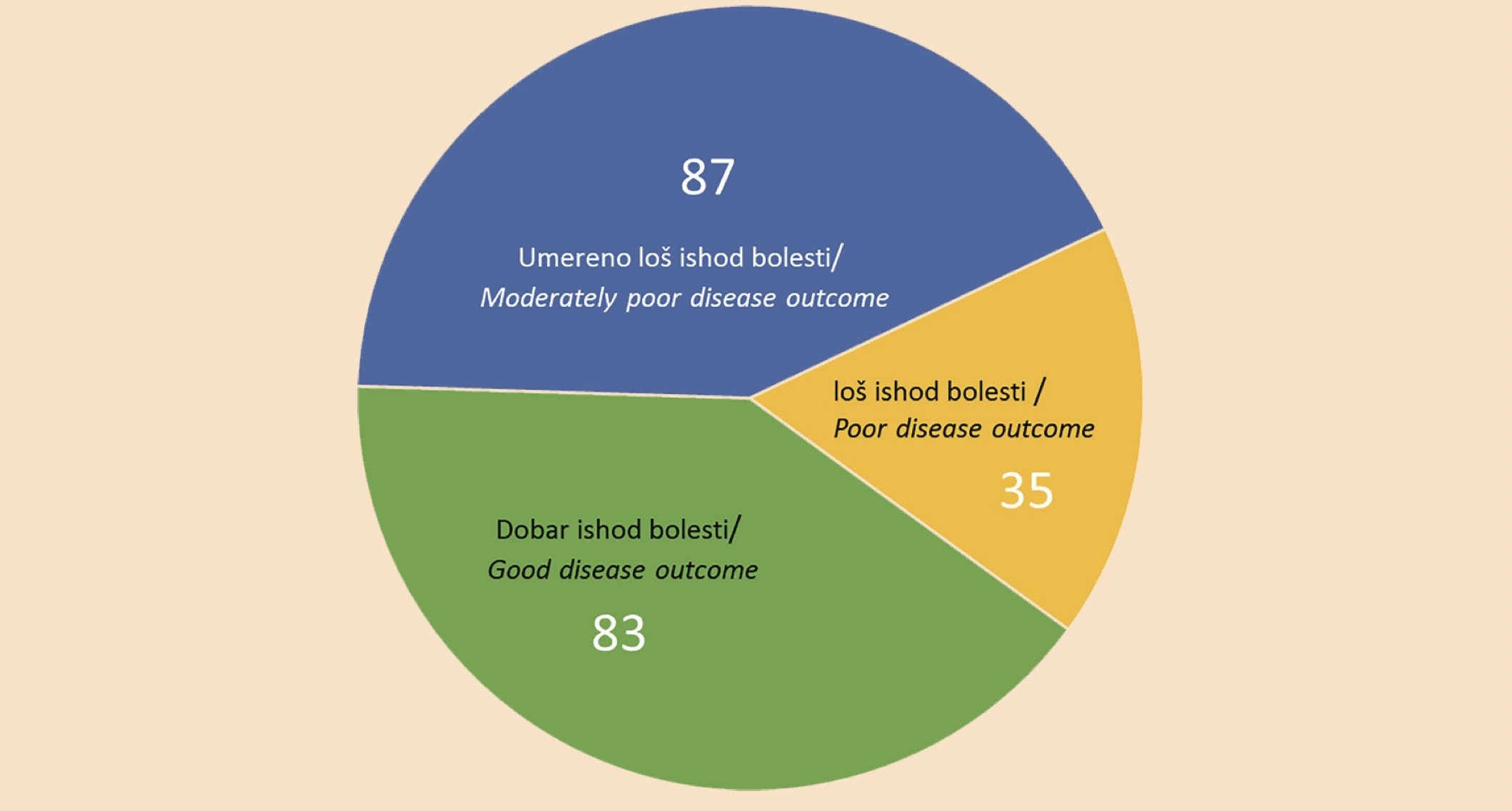
Out of 205 patients whose results were analyzed, 35 had a fatal or poor disease outcome, representing 17.1% of the study participants. Approximately an equal number of patients had good and moderately poor disease outcomes (Tables 3 and 4). Within the sample, 57.6%, or 118 participants, were male, with a mean age of 71.7 years and a standard deviation of 10.1 years (Tables 5 and 6).
Among the monitored parameters, the neutrophil-to-lymphocyte ratio (NLR) emerged as the strongest predictor of outcome in this analysis. An increase in the neutrophil-to-lymphocyte ratio correlated with a poor disease outcome (p < 0.001) and indicated a moderately strong association between cell ratios and the outcome of posterior circulation ischemic stroke (Table 7).
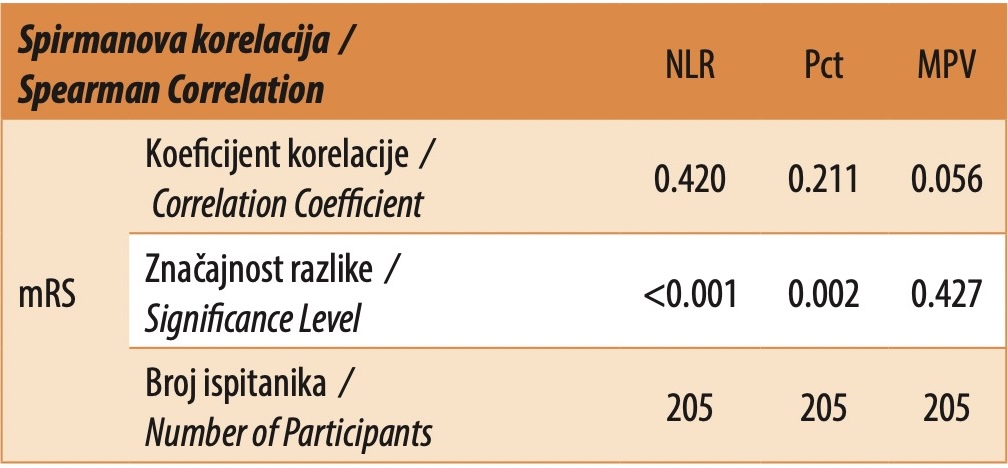
Plateletcrit also showed a moderate degree of association with the outcome of posterior circulation ischemic stroke as measured by ranks of the modified Rankin Scale (p = 0.002), albeit with a lower degree of association compared to the neutrophil-to-lymphocyte ratio (Table 7).
The mean platelet volume did not correlate with disease outcome as measured by ranks of the modified Rankin Scale within this sample of participants (p = 0.427) (Table 7).
DISCUSSION
The study included 205 participants of both sexes with an average age of around 71 years, who suffered from acute ischemic stroke in the posterior circulation, with a slight male predominance accounting for just over half of the sample (57.6%). Less than one-fifth of the sample had a poor disease outcome according to the modified Rankin Scale (6 points), representing a fatal outcome (17.1%). Two-fifths of the treated sample, or 40.4%, had a good disease outcome based on the ranked modified Rankin Scale (0, 1, or 2 points), and a similar proportion (42.5%) had a moderately poor disease outcome based on the ranked modified Rankin Scale (3, 4, or 5 points).
Regarding the analyzed laboratory parameters as predictors of outcome in patients with posterior circulation ischemic stroke, the neutrophil-to-lymphocyte ratio (NLR) emerged as the most correlated. Patients with an increased ratio in this cohort had notably worse outcomes. This is consistent with data from available literature on this issue [4],[5],[6],[7]. One possible explanation for this phenomenon is that the favoring of neutrophilia may be explained by greater tissue necrosis in larger or more extensive strokes, necessitating the body’s response to debris. Additionally, patients with poorer disease outcomes often have comorbid bacterial infections accompanied by neutrophilia, and the course of infection is also associated with a more unfavorable outcome of the underlying disease. Unfortunately, infections as outcome variables were not considered in the design of this study and remain a future task. This relationship between subtypes of white blood cells holds true even with the application of modern reperfusion therapies, whether chemical or mechanical [8],[9].
Furthermore, plateletcrit showed a moderate association with disease outcome in terms of poorer disease outcomes with higher plateletcrit, but to a lesser degree compared to the neutrophil-to-lymphocyte ratio, which is partially consistent with literature describing a strong association [10],[11],[12]. However, mean platelet volume did not demonstrate predictive ability for outcomes, contrary to available literature [13],[14],[15],[16]. This could be explained by the small sample size and the fact that the hospital has multiple hematology analyzers with different techniques for parameter determination, necessitating further investigation and potentially a change in study design for this variable.
CONCLUSION
The neutrophil-to-lymphocyte ratio (NLR) and plateletcrit (Pct) are variables that, based on this study and results from available literature, are significantly more frequently elevated in patients with poorer outcomes of posterior circulation stroke, where they serve as predictors of worse disease outcomes. Mean platelet volume (MPV) does not demonstrate statistical significance in distribution differences among patient subgroups based on outcome within the ischemic lesion of the posterior cerebral parenchyma territory, nor does it correlate with disease outcome.
Multimorbid conditions can influence the type of treatment necessary for a patient surviving a stroke; therefore, it is imperative to understand how all these conditions impact the future therapy of stroke patients, requiring an individualized approach while respecting the principles of good clinical practice in treating both stroke and all accompanying comorbidities simultaneously.
LIST OF ABBREVIATIONS
AS – Acute stroke
AIS – Acute ischemic stroke
AHS – Acute hemorrhagic stroke
ICH – Intracerebral hemorrhage
SAH – Subarachnoid hemorrhage
NLR – Neutrophil-to-lymphocyte ratio
PCT – Plateletcrit
MPV – Mean platelet volume
mRS – Modified Rankin Scale at discharge
Informations

-
Keywords:
-
Received:
-
Revised:
-
Accepted:
-
Online first:
-
DOI:
-
Cite this article:

Dejan Munjiza
Special hospital “Saint Sava”, Belgrade
2 Nemanjina Street, 11000 Belgrade, Serbia
E-mail:
1. Nikolić G, Čukić M, Eraković J, Nikolić G. Akutni ishemijski moždani udar – nacionalne smjernice dobre kliničke prakse. Ministarstvo zdravlja Crne Gore. 2012; 1-44.
2. Republička stručna komisija za izradu i implementaciju vodiča dobre kliničke prakse. Nacionalni vodič dobre kliničke prakse za dijagnostikovanje i lečenje ishemijskog moždanog udara. Ministarstvo zdravlja Republike Srbije. 2011, oktobar; 4/11: 1-82.
3. Al-Amir Bassiouny M, Hassan ME, Hazem KA, Hesham MH and Ashraf K. The mean platelet volume and plateletcrit as predictors of short-term outcome of acute ischemic stroke. Egypt J Neurol Psychiatr Neurosurg. 2019 Jan; 55(1): 4. doi: 10.1186/s41983-018-0035-x. [CROSSREF]
4. Xue J, Huang W, Chen X, Li Q, Zhengyi Cai Z, Tieer Yu T et al. Neutrophil-to-lymphocyte ratio is a prognostic marker in acute ischemic stroke. J Stroke Cerebrovasc Dis. 2017 Dec; 26:650-7. doi: 10.1016/j.jstrokecerebrovasdis.2016.11.010. [CROSSREF]
5. Herz J, Sabellek P, Lane TE, Gunzer M, Hermann DM, Doeppner TR. Role of neutrophils in exacerbation of brain injury after focal cerebral ischemia in hyperlipidemic mice. Stroke. 2015 Oct;46:2916-25. doi: 10.1161/STROKEAHA.115.010620. [CROSSREF]
6. Buck BH, Liebeskind DS, Saver JL, Bang OY, Yun SW, Starkman S, et al. Early neutrophilia is associated with volume of ischemic tissue in acute stroke. Stroke. 2008 Feb;39:355-60. doi: 10.1161/STROKEAHA.107.490128. [CROSSREF]
7. Kim J, Song TJ, Park JH, Lee HS, Nam CM, Nam HS et al. Different prognostic value of white blood cell subtypes in patients with acute cerebral infarction. Atherosclerosis. 2012 Jun;222:464-7. doi: 10.1016/j.atherosclerosis.2012.02.042. [CROSSREF]
8. Maestrini I, Strbian D, Gautier S, Haapaniemi E, Moulin S, Sairanen T, et al. Higher neutrophil counts before thrombolysis for cerebral ischemia predict worse outcomes. Neurology. 2015 Oct;85:1408-16. doi: 10.1212/ WNL.0000000000002029. [CROSSREF]
9. Brooks SD, Spears C, Cummings C, VanGilder RL, Stinehart KR, Laurie Gutmann L, et al. Admission neutrophil lymphocyte ratio predicts 90 day outcome after endovascular stroke therapy. J Neurointerv Surg 2014 Oct;6:578–83. doi: 10.1136/neurintsurg-2013-010780. [CROSSREF]
10. Tsiara S, Elisaf M, Jagroop IA, Mikhailidis DP. Platelets as predictors of vascular risk: is there a practical index of platelet activity? Clin Appl Thromb Hemost. 2003 Jul;9(3):177-90. doi: 10.1177/107602960300900301. [CROSSREF]
11. Jesty J, Yin W, Perrotta P, Bluestein D. Platelet activation in a circulating flow loop: combined effects of shear stress and exposure time. Platelets. 2003 May; 14(3):143-9. doi: 10.1080/0953710031000092839. [CROSSREF]
12. del Zoppo GJ. The role of platelets in ischemic stroke. Neurology. 1998 Sep;51(3 Suppl 3): 9-14. doi: 10.1212/wnl.51.3_suppl_3.s9. [CROSSREF]
13. O'Malley T, Langhorne P, Elton RA, Stewart C. Platelet size in stroke patients. Stroke. 1995 Jun;26(6):995-9. doi: 10.1161/01.str.26.6.995. [CROSSREF]
14. Vizioli L, Muscari S, Muscari A. The relationship of mean platelet volume with the risk and prognosis of cardiovascular diseases. Int J Clin Pract. 2009 Oct; 63(10):1509-15. doi: 10.1111/j.1742-1241.2009.02070.x. [CROSSREF]
15. D’Erasmo E, Aliberti G, Celi FS, Romagnoli E, Vecci E, Mazzuoli GF. Platelet count, mean platelet volume and their relation to prognosis in cerebral infarction. J Intern Med. 1990 Jan; 227:11-14. doi: 10.1111/j.1365-2796.1990. tb00111.x. [CROSSREF]
16. Greisenegger S, Endler G, Hsieh K, Tentschert S, Mannhalter C, Lalouschek W. Is elevated mean platelet volume associated with a worse outcome in patients with acute ischemic cerebrovascular events? Stroke. 2004 Jul; 34: 1688-91. doi: 10.1161/01.STR.0000130512.81212.a2. [CROSSREF]
- Table 1. Modified Rankin Scale
- Table 2. Modified Rankin Scale expressed by outcome ranges
- Table 3. Distribution of patients according to modified Rankin Scale values
- Table 4. Distribution of participants according to modified Rankin Scale ranking
- Table 5. Distribution of participants by gender
- Table 6. Distribution of participants by age
- Table 7. Spearman Correlation of NLR, Pct, and MPV with disease outcome by mRS rankings
- Figure 1. Distribution of participants according to ranked Modified Rankin Scale disease outcomes