


ABVD does not fit all advanced-stage classical Hodgkin lymphoma patients: real-world five-year single-center experience
- University Clinical Center of Serbia, Clinic for Hematology, Belgrade, Serbia
- University of Belgrade, Medical Faculty, Belgrade, Serbia
- University of Belgrade, Institute of Molecular Genetics and Genetic Engineering, Belgrade, Serbia
ABSTRACT
Introduction/Aim: Advanced-stage classical Hodgkin lymphoma (AScHL) is a therapeutic challenge due to chemoresistance. This study aims to present real-world data on the application of the ABVD regimen (doxorubicin, bleomycin, vinblastine, dacarbazine) in patients with AScHL.
Methods: This retrospective study examines the clinical and laboratory parameters, as well as the treatment and outcome of patients diagnosed with AScHL, in the period between 2016 and 2020.
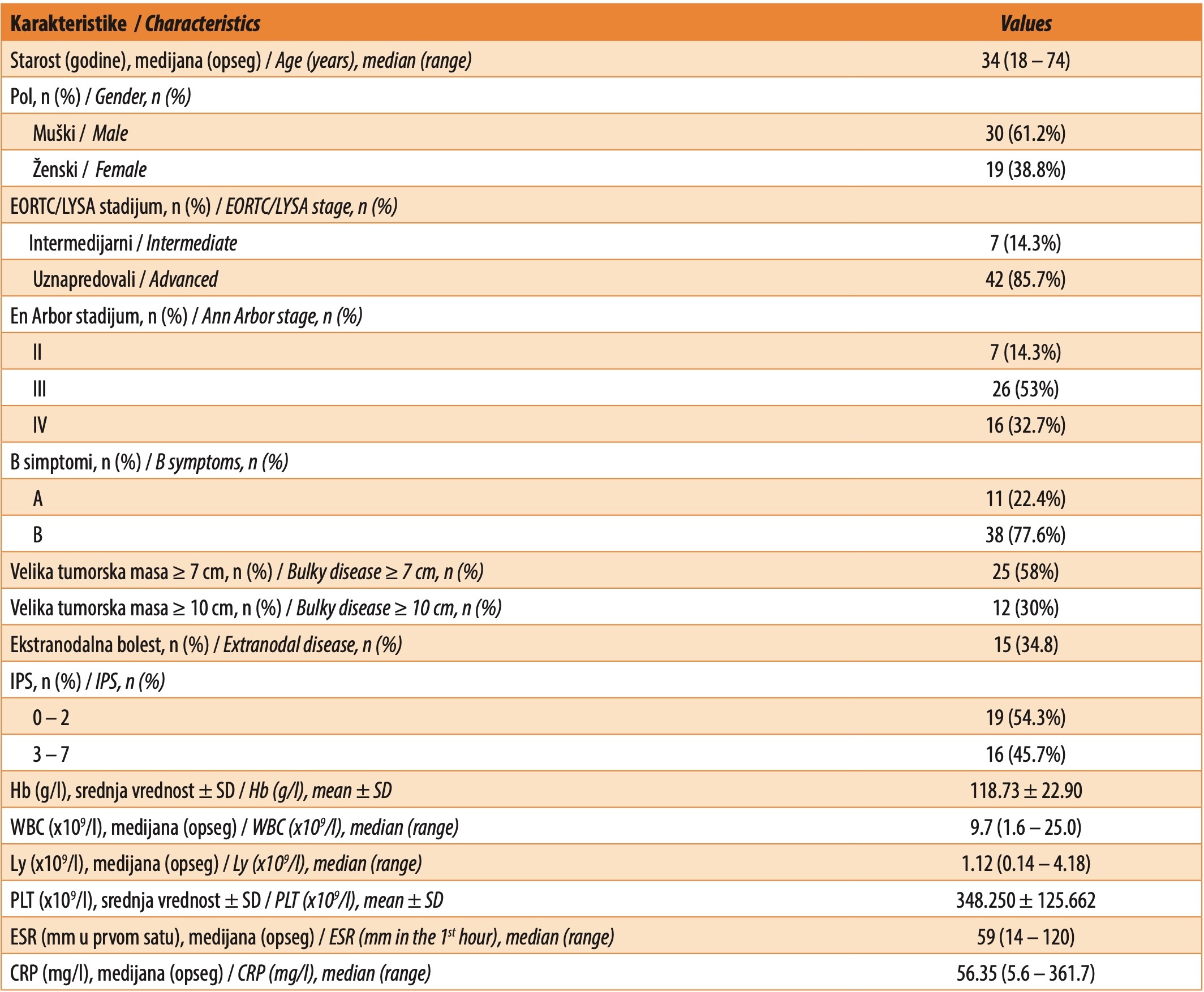
Results: The cohort consisted of 49 patients with AScHL. Median follow-up was 47 months (range: 1 – 79). The most important clinical and laboratory characteristics are summarized in Table 1.
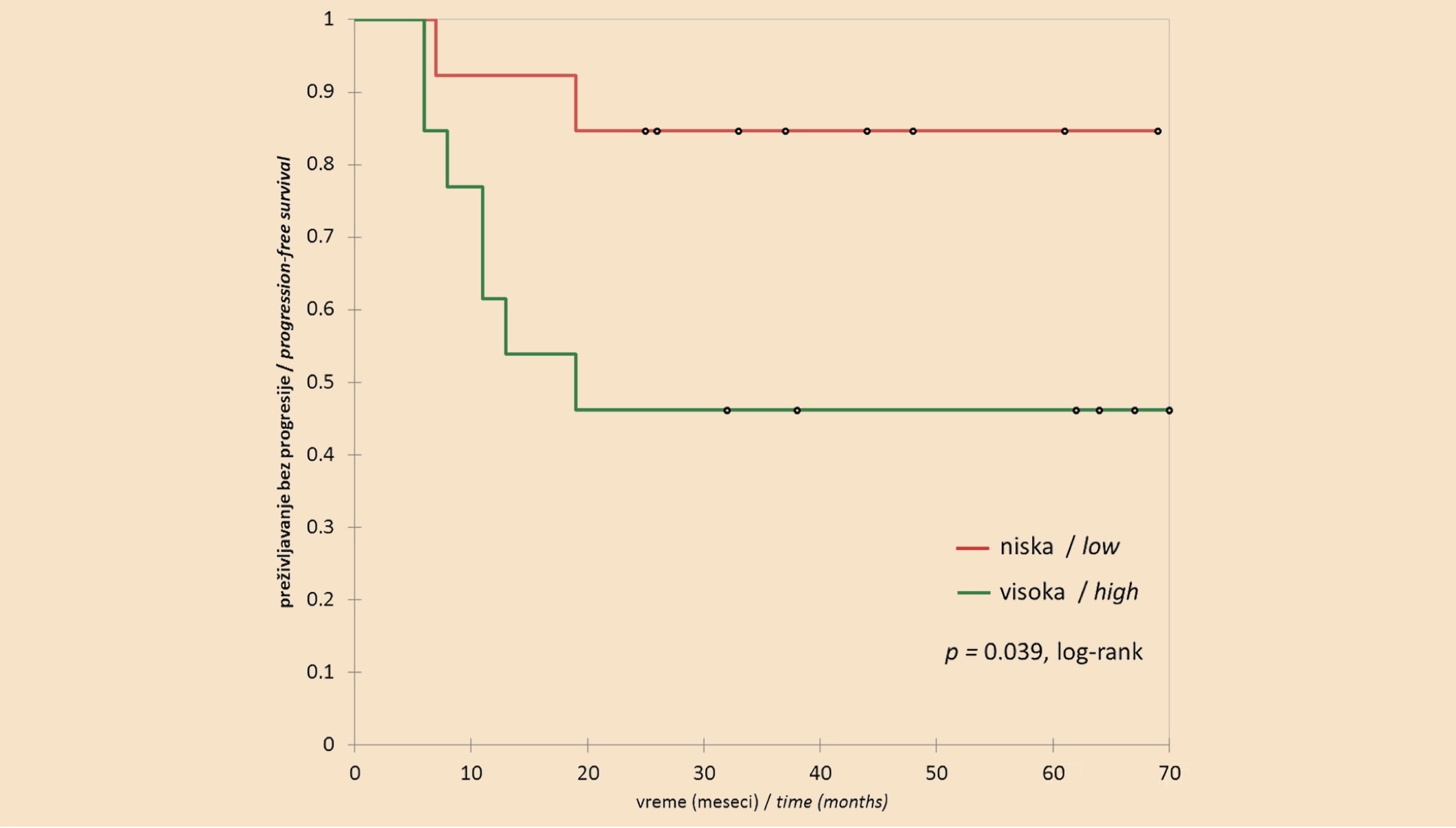
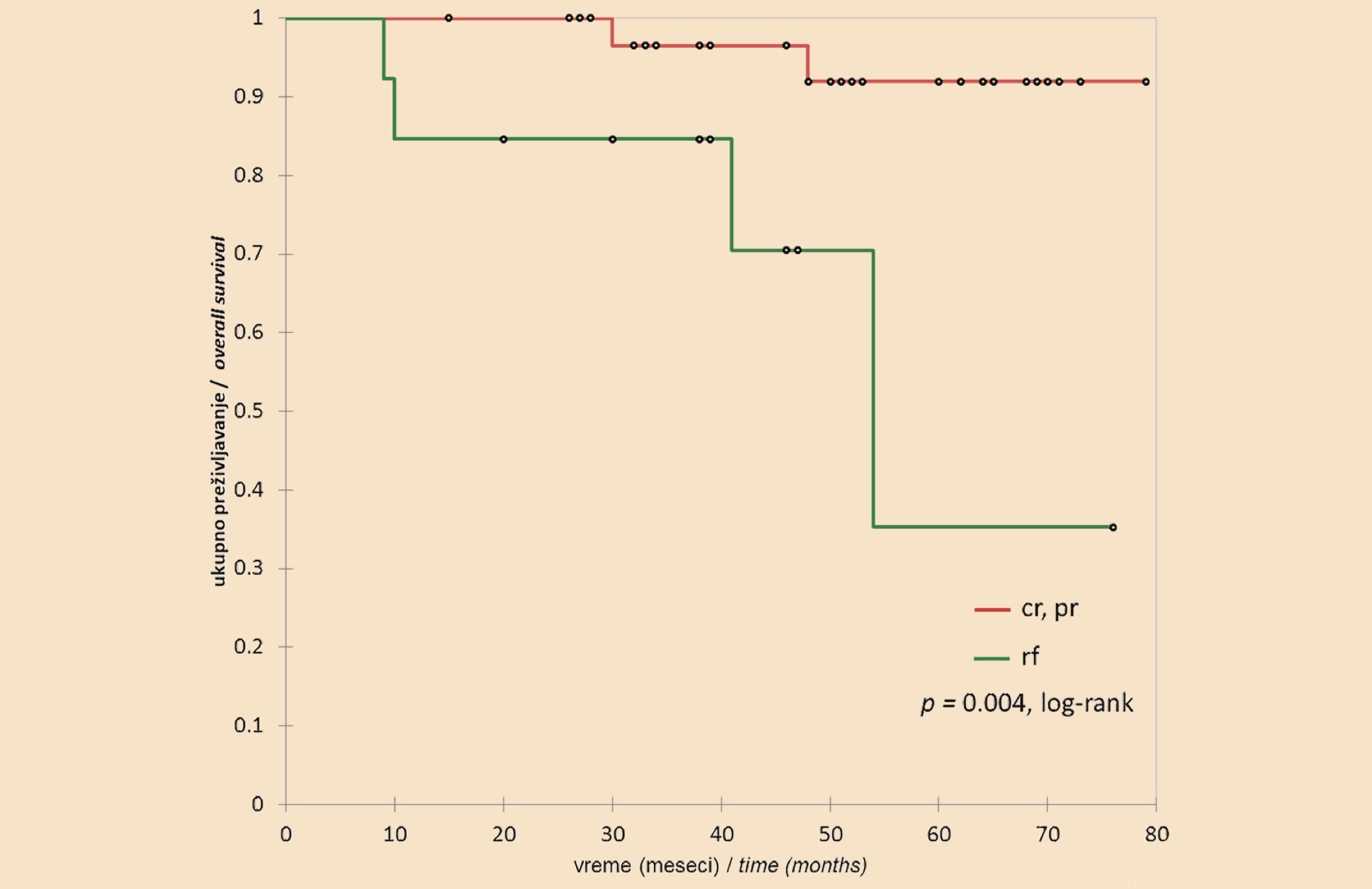
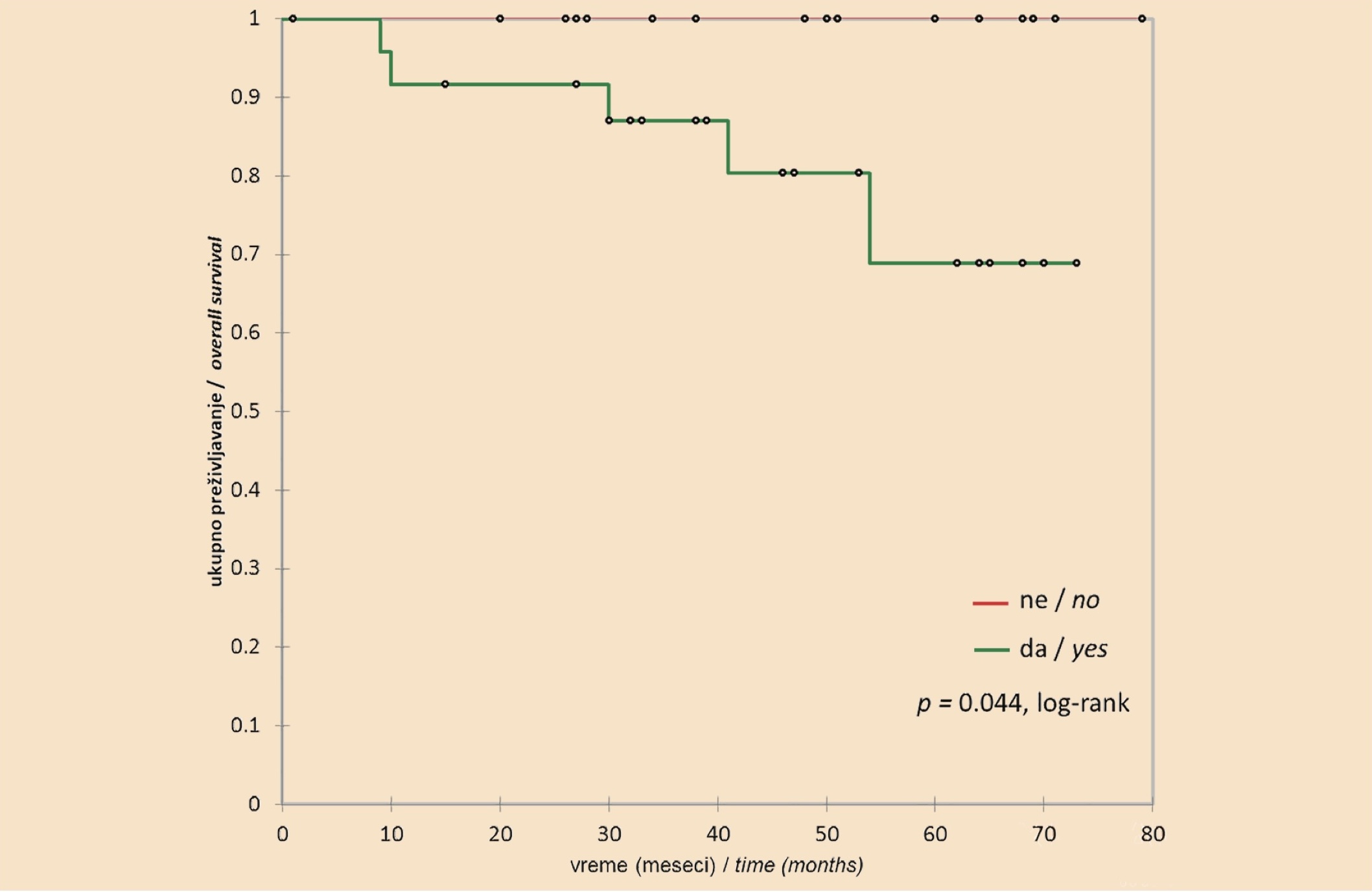
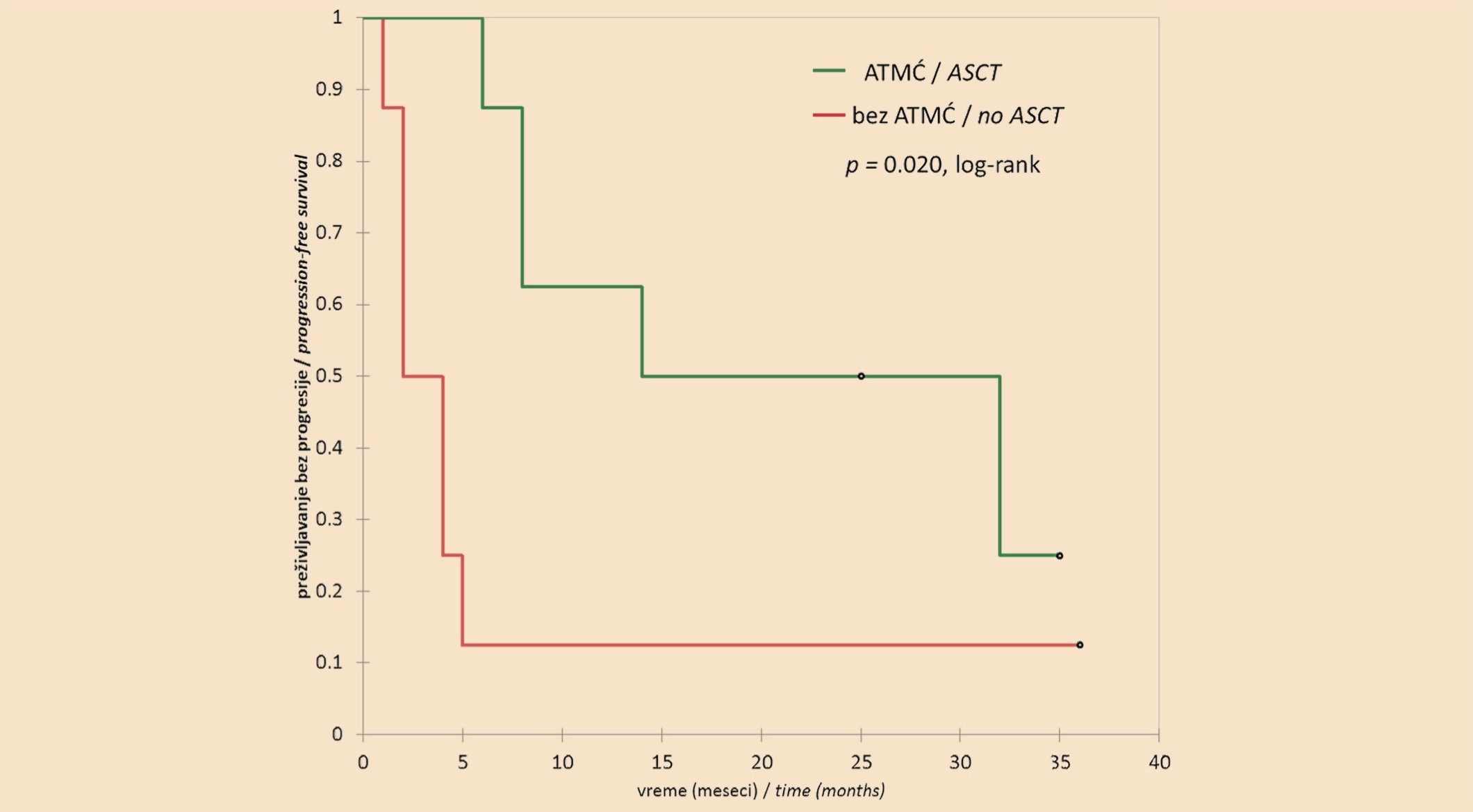
All patients were initially treated with ABVD. The overall response rate was 72.3% (complete response = 61.7%; partial response = 10.6%), while 27.7% of patients exhibited refractoriness. Additionally, 10.6% relapsed at a later stage. Of the investigated parameters (Table 1), only an elevated erythrocyte sedimentation rate (ESR) ≥ 50 mm in the first hour) was associated with shorter progression-free survival (PFS), (median PFS = 19 months vs. not reached (NR), in patients with ESR < 50 mm in the first hour; p = 0.039), while the presence of bulky disease was associated with shorter overall survival (OS), (p = 0.044). Also, refractory patients had significantly shorter OS (median OS = 54 months vs. NR in patients who achieved remission; p = 0.004). The median PFS and OS were not achieved; fouryear PFS and OS were 61% and 89%, respectively. Patients treated with autologous transplantation (AT) in relapsed/refractory disease had a longer PFS (p = 0.02), but not a longer OS. Brentuximab vedotin (BV) was successfully used in 4/14 patients, of whom three patients received it as consolidation treatment after AT.
Conclusion: A significant number of patients with AScHL cannot be cured with ABVD, thus more intensive treatment or innovative therapies are warranted.
INTRODUCTION
Classical Hodgkin lymphoma (cHL) accounts for approximately 95% of all HL cases. The remaining 5% are patients with nodular lymphocyte-predominant Hodgkin lymphoma, a histological subtype with significantly different treatment and prognosis. Within the most recent classification of lymphoid malignancies, nodular lymphocyte-predominant HL has been reclassified as nodular lymphocyte-predominant B-cell lymphoma [1],[2]. Classical HL exhibits bimodal age distribution and is diagnosed after excisional lymph node biopsy and histopathological and immunohistochemical confirmation of CD30-positive Reed-Sternberg and related tumor cells in an abundant inflammatory background [3],[4]. Disease staging and risk stratification of cHL patients rely on the Ann Arbor classification and the presence of risk factors, defined differently across different study groups [5].
Combined chemotherapy (ChT) with or without radiotherapy (RT) has been the mainstay of treating cHL for decades [6]. Patients can be cured in around 90% of early-stage cases, while patients with advanced-stage classical Hodgkin lymphoma (AScHL) face a 25% – 30% risk of chemoresistance or relapse [3],[7]. Combined modality treatment (ChT + RT) offers better long-term disease control than ChT alone in early-stage disease, however, at the cost of significantly more frequent late toxicities, including cardiac and thyroid dysfunction and solid tumors. The occurrence of other late events such as infertility, pulmonary disease, acute leukemia, and myelodysplastic syndrome rather depends on ChT intensity [8],[9],[10].
In terms of safety and efficacy, historically there have been two main competing approaches to treating AScHL: the German Hodgkin Study Group (GHSG) BEACOPP escalated regimen (BEACOPPesc) (bleomycin, etoposide, doxorubicin, cyclophosphamide, vincristine, procarbazine, and prednisone), producing better disease control at the cost of higher rates of both acute and late toxicities, and the ABVD (doxorubicin, bleomycin, vinblastine, and dacarbazine) regimen, a well-established combined ChT applied world-wide, with fewer adverse effects, but also inferior long-term disease control. Several clinical trials based on positron emission tomography/computed tomography (PET/ CT) guided treatment were aimed at reducing treatment intensity in interim PET-negative AScHL patients and, consequently, reducing toxicity with preserved treatment efficacy [11],[12],[13]. New forms of treatment, such as brentuximab vedotin (BV) combined with traditional ChT have improved progression-free and overall survival, at the same time achieving reduced toxicity [14],[15].
The cornerstone of treating relapsed/refractory (R/R) cHL patients is non-cross-resistant ChT followed by high-dose ChT (HDC) and autologous stem cell transplantation (ASCT) in chemosensitive patients. This approach leads to long-term disease control in approximately 50% of cases [16]. Survival is further improved by introducing novel therapies, such as BV and immune checkpoint inhibitors (anti-PD1 antibodies). Bridging to and maintenance after ASCT, as well as combination with salvage ChT prior to ASCT seem to be the most appropriate ways to use these novel therapies in the relapsed/refractory (R/R) setting [7]. Monotherapy in chemoresistant and ASCT-ineligible patients failed to provide long-term disease control [17],[18].
There are several studies describing real-world experience with ABVD in patients with AScHL [19],[20],[21],[22]. It is necessary to gather experience from daily practice outside trials, i.e., controlled circumstances, in order to get a broader overview of treatment outcomes in AScHL patients.
This study aims to examine the outcomes of AScHL patients treated with ABVD at our center over a period of five years, identify risk factors for treatment failure, and assess the outcomes of patients who had experienced ABVD treatment failure.
MATERIALS AND METHODS
Patients and treatment outcomes
We conducted a single-center retrospective study to analyze the outcomes of 49 patients diagnosed with AScHL as per the GHSG [5]. These patients were diagnosed with cHL during the five years between January 2016 and December 2020 and were treated at the Clinic for Hematology of the University Clinical Center of Serbia, in Belgrade. The diagnosis was established following the biopsy of enlarged lymph nodes and histopathological examination of tumor tissue by an experienced hematopathologist. The patients underwent standard hematological work-up with no initial PET/CT examination. They were assigned an Ann Arbor clinical stage and the appropriate treatment group (advanced stage – AS) according to the GHSG risk stratification [5]. Clinical and laboratory parameters at diagnosis were collected from patient hospital records and correlated with the treatment outcome and survival time. Treatment response and disease relapse were assessed according to the Lugano Criteria [23]. All patients were initially treated with the ABVD regimen which consisted of doxorubicin (25 mg/m2 ), (bleomycin 10 mg/m2 ), (vinblastine 6 mg/m2 ), and dacarbazine (375 mg/m2 ). Progression-free survival was calculated as the number of months from treatment initiation to disease relapse or death from any cause, whatever occurred first. Overall survival was defined as the time in months from diagnosis to death or to the date of censoring at the latest follow-up. We examined whether key demographic and clinical parameters were associated with treatment response, progression-free survival, and overall survival.
The study was conducted per the 1964 Helsinki Declaration and approved by the Ethics Committee of the University of Belgrade School of Medicine, Belgrade, Serbia.
Statistical Analysis
Categorical variables are presented as absolute numbers and frequencies, while continuous variables are presented using medians with ranges, means with standard deviation (SD), and a 95% confidence interval (95% CI). The data distribution was assessed using the Shapiro-Wilk test. The association between categorical variables was analyzed using the Fisher exact test and the Chi-square test. Survival times were analyzed according to the Kaplan-Meier estimator. Survival distribution differences among patient groups based on various patient characteristics were defined using the log-rank test.
SPSS 21.0 software (IBM) was used for statistical analysis. All analyses were performed based on twotailed p values and significance was defined as p < 0.05.
RESULTS
Cohort description
The median follow-up was 47 months (range: 1 – 79). The median age when the diagnosis was established was 34 years (range: 18 – 74). Men were represented in the cohort 1.6 times more than women. The frequencies of histological subtypes were as follows: nodular sclerosis 73.8%, mixed cellularity 9.5%, lymphocyte depletion 2.4%, lymphocyte rich 7.1%, combined nodular sclerosis/mixed cellularity 7.1%, while seven patients were unclassified. The patients were classified based on the European Organisation for Research and Treatment of Cancer (EORTC) and Lymphoma Study Association (LYSA) classification. Seven (14.3%) patients were classified as being in the intermediate stage, while 42 (85.7%) patients were classified as being in the advanced stage (AS). According to the Ann Arbor staging system, seven (14.3%) patients were classified as being in stage II, 26 (53%) patients as being in stage III, and 16 (32.7%) patients were classified as being in stage IV. Thirty-eight (77.6%) patients presented with B symptoms, 58% exhibited a bulky mass ≥ 7 cm, while 30% of the patients had a bulky mass ≥ 10 cm. More than 90% of cases of a bulky mass were mediastinal. Fifteen (34.8%) patients presented with extranodal disease (END), of whom 1/3 had two extranodal localizations. Fifteen out of 42 patients (35.7%) exhibited spleen involvement. A low International Prognostic Score (IPS) was calculated in 19/35 (54.3%) patients, and a high IPS was found in 16/35 (45.7%) patients. The basic clinical and laboratory parameters are summarized in Table 1.
First-line treatment and outcomes
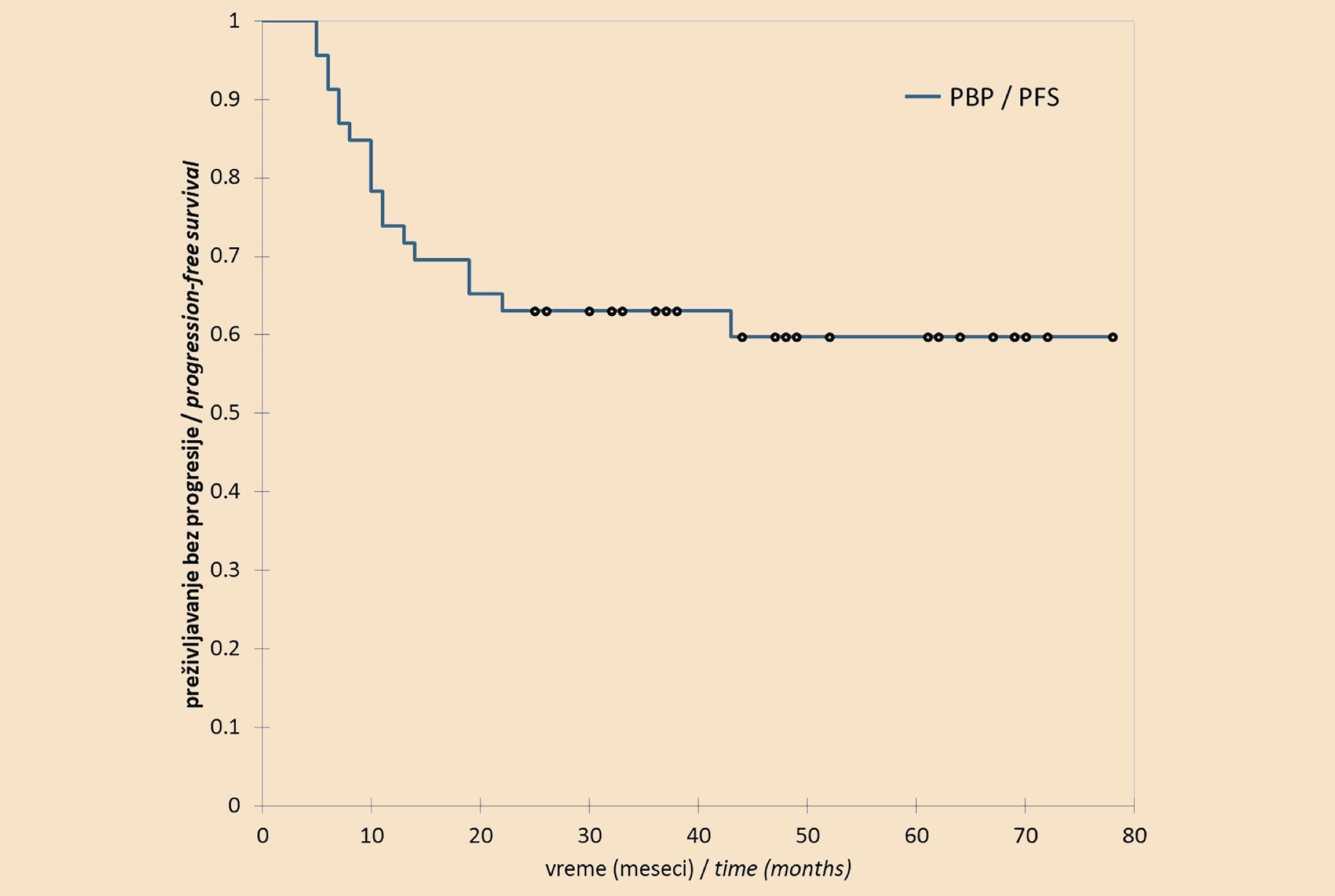
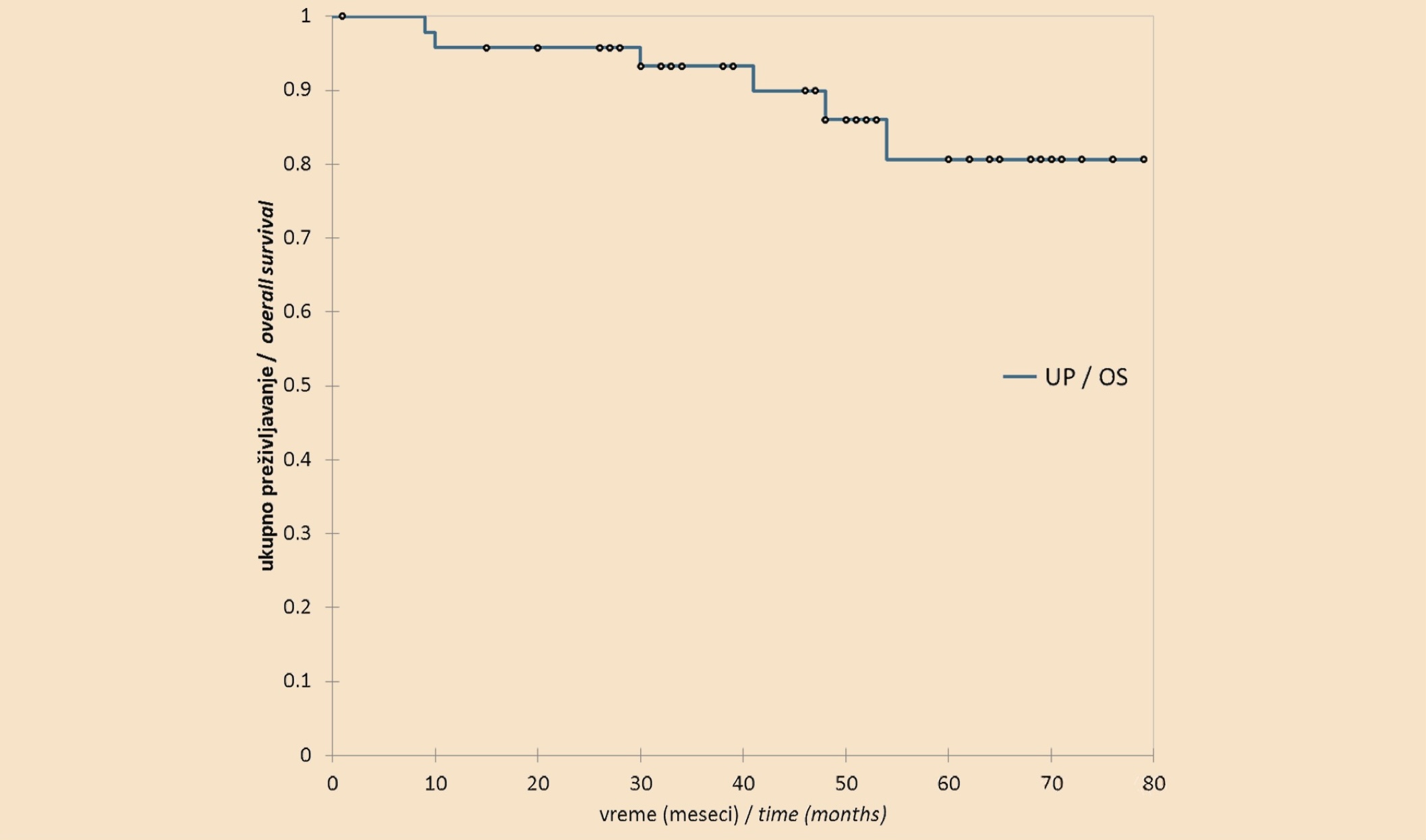
All patients received upfront ABVD treatment. Interim PET/CT was done in 12 patients with modification of further treatment intensity in six patients: three patients switched to BEACOPPesc, while in three patients bleomycin was discontinued and treatment was continued with AVD. Overall, patients received a median of six cycles of chemotherapy (range: 3 – 8) as first-line treatment. Ten out of 45 (22%) patients underwent adjuvant radiation therapy. Overall response was confirmed in 72.3% of the cases (complete response (CR) 61.7%; partial response (PR) 10.6%), while the remaining 27.7%, i.e., 13 patients had primary refractory disease. Additionally, 5 (10.6%) patients relapsed after a median of 19 months (range: 8 – 33). No statistically significant differences in response to first-line treatment regarding gender, age (cut-off value 50 years), Ann Arbor and EORTC/LYSA stage, presence of B symptoms, presence of END, bulky disease (≥ 7 cm), erythrocyte sedimentation rate (ESR) ≥ 50 mm in the first hour, risk group according to IPS, and administered RT were observed. Median PFS (Figure 1) and OS (Figure 2) for the whole cohort were not reached, while the mean PFS and OS were 51.991 months (95% CI 42.290 – 61.692) and 71.017 months (95% CI 64.558 – 77.475), respectively. On the other hand, the four-year PFS was 61%, and the four-year OS was 89%. Patients with ESR ≥ 50 mm in the first hour had shorter PFS after ABVD, as compared to the patients with ESR < 50 mm in the first hour (median PFS = 19 months vs. not reached, respectively; p = 0.039, log-rank test) (Figure 3). Gender, age (cut-off value 50 years), EORTC/LYSA stage (intermediate vs. advanced), presence of B symptoms, presence of END, bulky disease, IPS (0 – 2 vs. 3 – 7), and administered RT were not significant regarding PFS. Patients who were refractory to first-line treatment had significantly shorter OS, as compared to the patients who achieved CR/PR (median OS = 54 months vs. not reached; p = 0.004, log-rank test), (Figure 4). Additionally, patients who presented with a large tumor mass (bulky mass ≥ 7 cm) experienced significantly decreased OS, as compared to the patients without a bulky mass (p = 0.044, log-rank test), (Figure 5). OS did not differ significantly in relation to gender, age (cutoff value 50 years), EORTC/LYSA stage, presence of B symptoms, END at presentation, ESR, IPS (0 - 2 vs. 3 - 7), and RT within first-line treatment.
The outcome of relapsed/refractory patients
Among the 18 R/R patients (of whom 13 patients had primary refractory HL and five relapsed), 17 were treated with salvage ChT ± ASCT following HDC. Patients treated with HDC + ASCT after salvage ChT had a significantly longer PFS than those without ASCT (p = 0.020, log-rank test), (Figure 6), however, with no confirmed significant advantage in OS. Fourteen patients with R/R disease received BV in monotherapy, of whom three were consolidated after ASCT (all in sustained CR after BV), while 11 patients were treated with BV following a median of three lines of therapy (range: 2 – 4). Of the eleven patients, only one patient achieved CR, one was still on BV at the latest follow-up, while the other nine patients were refractory. The median number of administered BV cycles was 12.
DISCUSSION
Currently, there are various recommendations for the upfront treatment of AScHL [5],[24],[25]. In keeping with the results of the recent major clinical trials and subsequently updated relevant treatment guidelines, clinicians can choose between conventional ChT options (ABVD or BEACOPPesc) and a combination of BV and ChT [15],[26]. The key objective of the treatment is to get maximal therapeutic benefits while avoiding acute and late side effects that could jeopardize the patients’ quality of life and survival.
Lower rates of remission in our study than in other real-world studies can be explained by the fact that a significant number of patients from the cohort were diagnosed in 2019 and 2020 and were treated during the coronavirus disease of 2019 (COVID-19) pandemic with probable treatment delays and subsequent negative impact on outcomes [20],[22],[27]. However, this is only a speculation as we did not collect information about COVID-19 and treatment delay from the records of the patients in our cohort. Additionally, although most refractory patients were eventually treated at our institution with completely accessible medical records, a number of patients who achieved adequate disease control were subsequently followed up by hematologists in their local area, which removed them from the reach of our institution, making such patients not fully eligible for this study.
After a four-year follow-up of the patients in our cohort, PFS was 61%, and OS was 89%. It is noteworthy that OS was longer in our study than in a previous large cohort study from our institution by Andjelic et al., (four-year OS 89% vs. five-year OS 76%), most probably because of the availability of novel treatment options for R/R cHL patients in Serbia in recent years [22]. On the other hand, OS in our study was comparable to OS in most of the prospective clinical trials dealing with ABVD in AScHL [28],[29],[30],[31],[32].
Regarding the risk factors, in our cohort, only elevated ESR was found to be associated with PFS, while patients with bulky disease ≥ 7 cm and patients that were primarily refractory to the first treatment line exhibited significantly shorter OS. In a retrospective study conducted by Avigdor et al., which reports on the outcome of 221 AScHL patients treated with ABVD as first-line therapy and aged 60+ years, a high IPS and positive early PET/CT were associated with a shorter PFS [27]. In another real-world study by Andjelic et al., conducted at our hospital, a higher IPS and more than one extranodal localization were associated with poorer PFS, while high IPS, ESR > 50 mm/h, > 1 extranodal site, and bulky disease correlated with significantly shorter OS [22]. In our study, only elevated ESR, bulky disease, and primary refractoriness showed prognostic significance in first-line treatment, most probably due to the small study sample, as opposed to the other two abovementioned studies which included 221 (Avigdor et al.) and 314 (Andjelic et al.) AScHL patients treated with ABVD, respectively [22],[27].
Up to 30% of patients in clinical trials are refractory to combined first-line ChT, while one retrospective study from the United States, which included 167 patients with AScHL, confirmed that 55% of patients were treated with second-line therapy, which makes this number significantly higher in the real-world setting [21]. Our data show that 27.7% of patients were initially refractory to ABVD while an additional 10% relapsed after a median period of 19 months, implying that a certain number of AS patients treated with ABVD will eventually need further treatment. Autologous stem cell transplantation following salvage ChT and HDC remains the standard of care in the R/R setting with a potential for 50% of R/R patients to be cured [16]. The addition of novel therapeutic options, such as BV or checkpoint inhibitors (nivolumab or pembrolizumab) to salvage protocols prior to ASCT, dramatically improves posttransplant survival [7]. Our study confirmed the significance of ASCT in consolidation after salvage ChT in R/R AScHL.
As mentioned above, novel therapies, including BV and anti-PD1 antibodies, have significantly changed the landscape of the contemporary treatment of cHL. Brentuximab vedotin was initially approved in 2011 by the US Food and Drug Administration, for patients relapsed after ASCT or for patients after ≥ 2 lines of treatment who are not eligible for ASCT. The pivotal AETHERA trial and real-world experience confirmed the benefit of post-ASCT consolidation with BV for high-risk patients, while its use as monotherapy in the salvage setting in patients who had relapsed after ASCT or were not eligible for ASCT did not show sufficient long-term disease control [17],[18],[33],[34],[35]. The results of our study concerning BV are in line with these findings, however, the small sample (14 patients in our cohort received BV) made it impossible to perform an adequate statistical analysis that would have yielded relevant conclusions.
There are several limitations to our study:
- The cohort is too small to make comparisons that would have enough statistical power.
- There are no safety data about the toxicity of ABVD during and after treatment and its impact on the outcome.
- There are no data about the COVID-19 status of the patients from the cohort treated during the COVID-19 pandemic, its possible impact on delaying treatment, and consequent implications for the outcome.
CONCLUSION
In our cohort, patients with higher erythrocyte sedimentation levels had a shorter progression-free survival. Additionally, the presence of a bulky mass and primary refractory disease were associated with shorter overall survival. Patients with relapsed or refractory classical Hodgkin lymphoma showed a significantly better prognosis when they underwent consolidation therapy with autologous stem cell transplantation. Monotherapy with brentuximab vedotin was not beneficial outside the post-transplant consolidation setting. A significant number of advanced-stage classical Hodgkin lymphoma patients can not be cured with ABVD and need more intensive and/or novel therapeutic options in first-line treatment.
ABBREVIATIONS AND ACRONYMS
ABVD – doxorubicin, bleomycin, vinblastine, dacarbazine
AS – advanced-stage
ASCT – autologous stem cell transplantation
AVD – doxorubicin, vinblastine, dacarbasine
BEACOPPesc – bleomycin, etoposide, doxorubicin, cyclophosphamide, vincristine, procarbazine, prednisone, escalated
BV – brentuximab vedotin
cHL – classical Hodgkin lymphoma
ChT – chemotherapy
COVID-19 – coronavirus disease of 2019
CR – complete response
END – extranodal disease
EORTC/LYSA - European Organisation for Research and Treatment of Cancer/Lymphoma Study Association
ESR – erythrocyte sedimentation rate
GHSG – German Hodgkin Study Group
HDC – high-dose chemotherapy
IPS – International Prognostic Score
OS – overall survival
PET/CT – positron emission tomography/computed tomography
PFS – progression-free survival
PR – partial response
R/R – relapsed/refractory
RT – radiotherapy
SD – standard deviation
Informations

-
Keywords:
-
Received:
-
Revised:
-
Accepted:
-
Online first:
-
DOI:
-
Cite this article:

Vojin Vuković
Clinic for Hematology, University Clinical Center of Serbia
2 Koste Todorovića Street, 11000 Belgrade, Serbia
E-mail:
1. Alaggio R, Amador C, Anagnostopoulos I, Attygalle AD, Araujo IBO, Berti E, et al. The 5th edition of the World Health Organization Classification of Haematolymphoid Tumours: Lymphoid Neoplasms. Leukemia. 2022 Jul;36(7):1720- 1748. doi: 10.1038/s41375-022-01620-2. [CROSSREF]
2. Campo E, Jaffe ES, Cook JR, Quintanilla-Martinez L, Swerdlow SH, Anderson KC, et al. The International Consensus Classification of Mature Lymphoid Neoplasms: a report from the Clinical Advisory Committee. Blood. 2022;140(11):1229-53. doi: 10.1182/blood.2022015851. [CROSSREF]
3. Ansell SM. Hodgkin lymphoma: 2023 update on diagnosis, risk-stratification, and management. Am J Hematol. 2022;97(11):1478-88. doi: 10.1002/ajh.26717. [CROSSREF]
4. Kanzler H, Kuppers R, Hansmann ML, Rajewsky K. Hodgkin and Reed-Sternberg cells in Hodgkin’s disease represent the outgrowth of a dominant tumor clone derived from (crippled) germinal center B cells. J Exp Med. 1996;184(4):1495-505. doi: 10.1084/jem.184.4.1495. [CROSSREF]
5. Eichenauer DA, Aleman BMP, André M, Federico M, Hutchings M, Illidge T, et al.; ESMO Guidelines Committee. Hodgkin lymphoma: ESMO Clinical Practice Guidelines for diagnosis, treatment and follow-up. Ann Oncol. 2018 Oct 1;29(Suppl 4):iv19-iv29. doi: 10.1093/annonc/mdy080. [CROSSREF]
6. Johnson PWM. Are we reaching the maximum cure rate for Hodgkin lymphoma? Hematol Oncol. 2023;41 Suppl 1:57-61. doi: 10.1002/hon.3140. [CROSSREF]
7. Burton C, Allen P, Herrera AF. Paradigm Shifts in Hodgkin Lymphoma Treatment: From Frontline Therapies to Relapsed Disease. Am Soc Clin Oncol Educ Book. 2024;44(3):e433502. doi: 10.1200/EDBK_433502. [CROSSREF]
8. Radford J, Longo DL. Second Cancers after Treatment for Hodgkin’s Lymphoma--Continuing Cause for Concern. N Engl J Med. 2015;373(26):2572-3. doi: 10.1056/NEJMe1511947. [CROSSREF]
9. Engert A, Diehl V, Franklin J, Lohri A, Dorken B, Ludwig WD, et al. Escalated-dose BEACOPP in the treatment of patients with advanced-stage Hodgkin’s lymphoma: 10 years of follow-up of the GHSG HD9 study. J Clin Oncol. 2009;27(27):4548-54. doi: 10.1200/JCO.2008.19.8820. [CROSSREF]
10. de Vries S, Schaapveld M, Janus CPM, Daniels LA, Petersen EJ, van der Maazen RWM, et al. Long-Term Cause-Specific Mortality in Hodgkin Lymphoma Patients. J Natl Cancer Inst. 2021;113(6):760-9. doi: 10.1093/jnci/djaa194. [CROSSREF]
11. Johnson P, Federico M, Kirkwood A, Fossa A, Berkahn L, Carella A, et al. Adapted Treatment Guided by Interim PET-CT Scan in Advanced Hodgkin’s Lymphoma. N Engl J Med. 2016;374(25):2419-29. doi: 10.1056/NEJMoa1510093. [CROSSREF]
12. Borchmann P, Goergen H, Kobe C, Lohri A, Greil R, Eichenauer DA, et al. PET-guided treatment in patients with advanced-stage Hodgkin’s lymphoma (HD18): final results of an open-label, international, randomised phase 3 trial by the German Hodgkin Study Group. Lancet. 2017;390(10114):2790- 802. doi: 10.1016/S0140-6736(17)32134-7. [CROSSREF]
13. Zinzani PL, Broccoli A, Gioia DM, Castagnoli A, Ciccone G, Evangelista A, et al. Interim Positron Emission Tomography Response-Adapted Therapy in Advanced-Stage Hodgkin Lymphoma: Final Results of the Phase II Part of the HD0801 Study. J Clin Oncol. 2016;34(12):1376-85. doi: 10.1200/ JCO.2015.63.0699. [CROSSREF]
14. Ansell SM, Radford J, Connors JM, Długosz-Danecka M, Kim WS, Gallamini A, et al.; ECHELON-1 Study Group. Overall Survival with Brentuximab Vedotin in Stage III or IV Hodgkin’s Lymphoma. N Engl J Med. 2022 Jul 28;387(4):310- 320. doi: 10.1056/NEJMoa2206125. [CROSSREF]
15. Borchmann P, Ferdinandus J, Schneider G, Moccia A, Greil R, Hertzberg M, et al. Assessing the efficacy and tolerability of PET-guided BrECADD versus eBEACOPP in advanced-stage, classical Hodgkin lymphoma (HD21): a randomised, multicentre, parallel, open-label, phase 3 trial. Lancet. 2024;404(10450):341-52. doi: 10.1016/S0140-6736(24)01315-1. [CROSSREF]
16. Moskowitz AJ, Perales MA, Kewalramani T, Yahalom J, Castro-Malaspina H, Zhang Z, et al. Outcomes for patients who fail high dose chemoradiotherapy and autologous stem cell rescue for relapsed and primary refractory Hodgkin lymphoma. Br J Haematol. 2009;146(2):158-63. doi: 10.1111/j.1365- 2141.2009.07727.x. [CROSSREF]
17. Angelopoulou MK, Vassilakopoulos TP, Batsis I, Sakellari I, Gkirkas K, Pappa V, et al. Brentuximab vedotin in relapsed/refractory Hodgkin lymphoma. The Hellenic experience. Hematol Oncol. 2018;36(1):174-81. doi: 10.1002/ hon.2383. [CROSSREF]
18. Ozbalak M, Salihoglu A, Soysal T, Karadogan I, Paydas S, Ozdemir E, et al. Long-term results of brentuximab vedotin in relapsed and refractory Hodgkin lymphoma: multi-center real-life experience. Ann Hematol. 2020;99(2):301-7. doi: 10.1007/s00277-019-03899-1. [CROSSREF]
19. Wen Q, Ge J, Lei Y, Zhang Y, Kong X, Wang W, et al. Real-world evidence of ABVD-like regimens compared with ABVD in classical Hodgkin lymphoma: a 10-year study from China. J Cancer Res Clin Oncol. 2023;149(7):3989-4003. doi: 10.1007/s00432-022-04321-6. [CROSSREF]
20. Russell J, Collins A, Fowler A, Karanth M, Saha C, Docherty S, et al. Advanced Hodgkin lymphoma in the East of England: a 10-year comparative analysis of outcomes for real-world patients treated with ABVD or escalated-BEACOPP, aged less than 60 years, compared with 5-year extended follow-up from the RATHL trial. Ann Hematol. 2021;100(4):1049-58. doi: 10.1007/s00277-021- 04460-9. [CROSSREF]
21. Winter A, Liu N, Surinach A, Fanale M, Yu KS, Narkhede M. Real-World Patient Characteristics, Treatment Patterns, and Outcomes for Patients With Stage III or IV Classic Hodgkin Lymphoma Treated With Frontline ABVD: A Retrospective Database Review in the United States. Clin Lymphoma Myeloma Leuk. 2023;23(7):527-34. doi: 10.1016/j.clml.2023.03.015. [CROSSREF]
22. Andjelic B, Antic D, Jakovic L, Todorovic M, Bogdanovic A, Djurasinovic V, et al. A single institution experience on 314 newly diagnosed advanced Hodgkin lymphoma patients: the role of ABVD in daily practice. Eur J Haematol. 2014;93(5):392-9. doi: 10.1111/ejh.12364. [CROSSREF]
23. Cheson BD, Fisher RI, Barrington SF, Cavalli F, Schwartz LH, Zucca E, et al. Recommendations for initial evaluation, staging, and response assessment of Hodgkin and non-Hodgkin lymphoma: the Lugano classification. J Clin Oncol. 2014;32(27):3059-68. doi: 10.1200/JCO.2013.54.8800. [CROSSREF]
24. National Comprehensive Cancer Network. Hodgkin Lymphoma (Version 3.2024). [Internet]. [Pristupljeno: 28. jul, 2024.]. Dostupno: https://www.nccn.org/professionals/physician_gls/pdf/hodgkins.pdf [HTTP]
25. Hodgkin Lymphoma. Treatment. 2008 - 2024 German Hodgkin Study Group. [Internet]. Dostupno: https://en.ghsg.org/treatment [HTTP]
26. Straus DJ, Dlugosz-Danecka M, Connors JM, Alekseev S, Illes A, Picardi M, et al. Brentuximab vedotin with chemotherapy for stage III or IV classical Hodgkin lymphoma (ECHELON-1): 5-year update of an international, open-label, randomised, phase 3 trial. Lancet Haematol. 2021;8(6):e410-e21. doi: 10.1016/S2352-3026(22)00009-6. [CROSSREF]
27. Avigdor A, Trinchese F, Gavini F, Bent-Ennakhil N, Dalal M, Zomas A, et al. First-line treatment of stage IIB to stage IV classical Hodgkin lymphoma in Italy, Israel, and Spain: Patient characteristics, treatment patterns, and clinical outcomes. EJHaem. 2022;3(2):415-25. doi: 10.1002/jha2.426. [CROSSREF]
28. Hoskin PJ, Lowry L, Horwich A, Jack A, Mead B, Hancock BW, et al. Randomized comparison of the stanford V regimen and ABVD in the treatment of advanced Hodgkin’s Lymphoma: United Kingdom National Cancer Research Institute Lymphoma Group Study ISRCTN 64141244. J Clin Oncol. 2009;27(32):5390-6. doi: 10.1200/JCO.2009.23.3239. [CROSSREF]
29. Gobbi PG, Levis A, Chisesi T, Broglia C, Vitolo U, Stelitano C, et al. ABVD versus modified stanford V versus MOPPEBVCAD with optional and limited radiotherapy in intermediate- and advanced-stage Hodgkin’s lymphoma: final results of a multicenter randomized trial by the Intergruppo Italiano Linfomi. J Clin Oncol. 2005;23(36):9198-207. doi: 10.1200/JCO.2005.02.907. [CROSSREF]
30. Johnson PW, Radford JA, Cullen MH, Sydes MR, Walewski J, Jack AS, et al. Comparison of ABVD and alternating or hybrid multidrug regimens for the treatment of advanced Hodgkin’s lymphoma: results of the United Kingdom Lymphoma Group LY09 Trial (ISRCTN97144519). J Clin Oncol. 2005;23(36):9208-18. doi: 10.1200/JCO.2005.03.2151. [CROSSREF]
31. Gordon LI, Hong F, Fisher RI, Bartlett NL, Connors JM, Gascoyne RD, et al. Randomized phase III trial of ABVD versus Stanford V with or without radiation therapy in locally extensive and advanced-stage Hodgkin lymphoma: an intergroup study coordinated by the Eastern Cooperative Oncology Group (E2496). J Clin Oncol. 2013;31(6):684-91. doi: 10.1200/JCO.2012.43.4803. [CROSSREF]
32. Strati P, Fanale MA, Oki Y, Turturro F, Fayad LE, Bartlett NL, et al. ABVD plus rituximab versus ABVD alone for advanced stage, high-risk classical Hodgkin lymphoma: a randomized phase 2 study. Haematologica. 2019;104(2):e65-e7. doi: 10.3324/haematol.2018.199844. [CROSSREF]
33. Moskowitz CH, Walewski J, Nademanee A, Masszi T, Agura E, Holowiecki J, et al. Five-year PFS from the AETHERA trial of brentuximab vedotin for Hodgkin lymphoma at high risk of progression or relapse. Blood. 2018;132(25):2639- 42. doi: 10.1182/blood-2018-07-861641. [CROSSREF]
34. Akay OM, Ozbalak M, Pehlivan M, Yildiz B, Uzay A, Yigenoglu TN, et al. Brentuximab vedotin consolidation therapy after autologous stem-cell transplantation in patients with high-risk Hodgkin lymphoma: Multicenter retrospective study. Hematol Oncol. 2021;39(4):498-505. doi: 10.1002/ hon.2897. [CROSSREF]
35. Husi K, Szabo R, Pinczes LI, Foldeak D, Dudley R, Szomor A, et al. Improved survival of autologous stem cell transplantation in primary refractory and relapsed Hodgkin lymphoma in the brentuximab vedotin era - real-world data from Hungary. Ann Hematol. 2023;102(9):2555-63. doi: 10.1007/s00277-023- 05354-8. [CROSSREF]
- Table 1. Clinical characteristics of AScHL patients
- Figure 1. Progression-free survival for the whole cohort
- Figure 2. Overall survival for the whole cohort
- Figure 3. Erythrocyte sedimentation rate and progression-free survival Low (ESR < 50 mm in the 1st hour): median not reached; mean = 60.385 months; 95% CI 44.747 – 76.022 months
- Figure 4. Response to first-line treatment and overall survival Patients who achieved cr/pr: median not reached; mean = 75.885 months; 95% CI 69.987 – 81.783 months
- Figure 5. Bulky disease and overall survival
- Figure 6. Autologous stem cell transplantation and PFS in R/R advanced Hodgkin lymphoma